



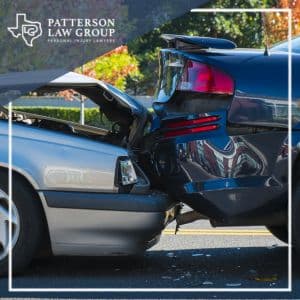
Rear-end collisions are one of the most common crash types in Arlington, and they often happen when traffic changes speed quickly in congested areas or work zones. Even when a rear-end crash looks minor at the scene, drivers and passengers can develop real injuries, including whiplash, back pain, and concussion symptoms that show up hours or days later. This guide explains what injured drivers need to know after a rear-end car accident in Arlington, including why these crashes happen so frequently on I-20, I-30, Cooper Street, and Collins Street, and what steps can protect your health and your claim.
You will learn how Texas fault rules typically apply in rear-end cases, when exceptions can shift some responsibility to the front driver, and how the 51 percent bar rule can affect compensation if fault is disputed. We also cover the most common injuries, the types of damages that may be recoverable, and why early documentation such as photos, witness information, dashcam footage, and a TxDOT CR-3 report can make a major difference, especially in chain-reaction crashes and Arlington construction zones where multiple insurers may be involved.
Rear-End Car Accidents in Arlington: What Injured Drivers Need To Know
Rear-end collisions are among the most common crash types in Arlington, and if you were hit from behind, you may be able to pursue compensation for medical bills, lost income, and your vehicle damage under Texas law.
Why Rear-End Crashes Happen So Often in Arlington
TxDOT trends show that tailgating, distracted driving, and sudden slowdowns contribute to frequent rear-end collisions. Arlington’s congested roadways and numerous construction zones often cause stop-and-go traffic that increases the risk of following-distance violations. Drivers traveling too fast for conditions or following too closely often cannot stop in time when traffic slows.
Why “Low-Speed” Rear-End Crashes Still Cause Serious Injuries
Many drivers underestimate injuries from rear-end collisions. Even impacts at lower speeds can cause whiplash, soft tissue injuries, neck and back pain, or concussions. These injuries may have delayed symptoms, and insurers sometimes dismiss them without proper documentation. A person may walk away from the scene feeling relatively stable, only to notice stiffness, headaches, or radiating pain hours later.
Why Early Documentation Strengthens Your Claim
Photos, videos, witness statements, and CR-3 crash reports help clarify fault and preserve details before memories fade or vehicles are repaired. Early medical care also creates the records needed to show how the collision affected your health and daily life. Documentation is especially important in Arlington’s heavy-traffic environment, where multiple drivers may give conflicting accounts.
Where Do Rear-End Crashes Most Often Happen in Arlington?
Rear-end collisions in Arlington occur most often in areas associated with higher crash frequency. Major corridors such as I-20, I-30, Cooper Street, Collins Street, and Little Road see significant congestion and sudden speed changes. Drivers may follow too closely in heavy traffic near freeway ramps, school zones, shopping centers, or construction areas. These conditions create situations where a brief moment of inattention can cause a collision.
Are Rear-End Collisions Really “Minor” Accidents?
Rear-end crashes are often described as minor, but many injured drivers experience delayed symptoms. Whiplash, back injuries, concussions, and headaches may not appear until hours or days later. Even when property damage appears minimal, the body absorbs forces that can strain or injure soft tissues. Medical evaluation helps identify injuries that may not be visible at the scene.


Who Is At Fault for a Rear-End Collision in Texas?
Texas law generally presumes that the rear driver is at fault because drivers must maintain a safe following distance at all times.
Why the Rear Driver Is Usually Considered Responsible
Most rear-end crashes occur when a driver follows too closely, becomes distracted, or reacts too slowly to changing traffic. These behaviors violate the safe following distance rule, which requires drivers to maintain enough space to avoid hitting the vehicle ahead.
When Can the Front Driver Be At Fault in a Rear-End Crash?
Exceptions occur when the front driver acts in a way that makes a collision unavoidable. Unsafe lane changes, sudden stops without a clear reason, or defective brake lights can shift responsibility. Investigators review physical evidence and witness accounts to determine whether the front driver contributed to the crash.
Can I Be Partly at Fault If Someone Rear-Ended Me?
It is possible. Texas uses a comparative fault system that allows responsibility to be shared. If investigators determine that a driver stopped abruptly, changed lanes unpredictably, or failed to maintain working brake lights, they may assign partial fault. Your compensation can be reduced by your percentage of responsibility if it is less than 51 percent.
How Evidence Shapes Fault Decisions
CR-3 crash reports, photos, dashcam footage, and vehicle damage patterns provide important details. Rear-end crashes on Arlington’s major roads often involve multiple accounts from nearby drivers. Evidence can help clarify which vehicle braked first, how quickly traffic slowed, and how much space the rear driver left.
Key Texas Laws That Affect Rear-End Accident Claims
Several Texas laws influence how rear-end collisions are evaluated and how long you have to file a claim. The safe following distance rule guides fault analysis, while the modified comparative negligence rule shapes how compensation is divided. Texas also sets a two year deadline for most personal injury lawsuits.
What Is the Texas Safe Following Distance Rule?
Texas Transportation Code section 545.062 requires drivers to maintain a safe following distance based on speed, traffic, and road conditions. Drivers must leave enough space to stop safely and avoid colliding with vehicles ahead. This rule is frequently applied in rear-end crash investigations across Arlington.
How Does the 51 Percent Bar Rule Affect a Rear-End Crash in Texas?
Texas uses a modified comparative negligence rule under section 33.001 of the Civil Practice and Remedies Code. If a driver is 50 percent or less responsible, their compensation may be reduced by their percentage of fault. If they are 51 percent or more responsible, they cannot recover damages. This rule often arises in chain-reaction crashes and sudden braking conditions on I-20.
How Long Do I Have To File a Rear-End Accident Lawsuit in Texas?
Most rear-end accident claims must be filed within two years under Texas law. Delays can make it harder to obtain evidence like CR-3 crash reports, videos, vehicle data, or witness testimony. Early action helps preserve crucial details and strengthens your ability to pursue compensation.
What Happens If the Crash Involves a Government Vehicle?
Crashes involving city vehicles, school buses, or other government-operated vehicles require additional steps. Notice deadlines may be shorter, and claims may need to be submitted directly to the governmental entity before a lawsuit can proceed.
Common Injuries in Arlington Rear-End Collisions
Rear-end collisions often cause sudden force to the neck, back, and spine, leading to a wide range of injuries that may take days or weeks to fully develop. These injuries can interfere with work, sleep, driving, and daily activities. Even when crashes appear minor, the human body absorbs more force than many people expect, especially in stop-and-go traffic on roads like I-20, I-30, Cooper Street, and Collins Street. Medical evaluation helps identify hidden injuries and keeps a clear record of how the crash affected your health.
What Is Whiplash and How Long Can It Last After a Rear-End Collision?
Whiplash occurs when the neck and head move rapidly back and forth, stretching muscles, ligaments, and soft tissues. Symptoms can include stiffness, headaches, dizziness, shoulder pain, or tingling in the arms. Recovery times vary significantly. Some people improve within a few days, while others experience symptoms for weeks or longer. Severe cases may require physical therapy, chiropractic treatment, or ongoing pain management.
How Rear-End Collisions Affect Spinal Health
Rear-end crashes frequently cause spinal injuries because the vertebrae and supporting discs absorb sudden force. Herniated or bulging discs may lead to nerve compression, causing numbness, weakness, or radiating pain down the arms or legs. Some people experience chronic discomfort that can limit lifting, bending, or sitting for long periods. Imaging such as MRI scans is often needed to diagnose these injuries. Early treatment may improve long-term outcomes.
Why Soft Tissue Injuries Are Often Overlooked
Soft tissue injuries such as sprains, strains, and muscle tears may not appear on X-rays, leading some insurers to question their severity. These injuries can still cause significant pain and reduced mobility. They may require rest, medication, and physical therapy. Documenting symptoms and following a treatment plan helps support a claim and provides evidence of how the injury progresses.
How Rear-End Collisions Affect Long-Term Health
Neck and back injuries may require ongoing treatment. Some people experience limited mobility, chronic headaches, or nerve pain long after the crash. Rear-end collisions can affect sleep, concentration, and the ability to lift or bend. These long-term effects may interfere with work, caregiving, or recreational activities. Keeping medical records, therapy notes, and daily symptom logs helps show the full impact of these injuries on your life.
Recoverable Damages in Arlington Rear-End Collision Claims
Rear-end collisions can create financial burdens that extend well beyond the initial medical visit. Texas law allows injured drivers to pursue compensation for medical care, lost income, property damage, and other losses that reflect how the crash affected their life. Some damages are easy to calculate, such as repair costs, while others require detailed documentation, such as long-term pain or reduced earning capacity. Understanding the categories of damages can help you make informed decisions after a crash.
What Damages Can Injured Drivers Recover After a Rear-End Crash in Arlington?
Injured drivers may be able to recover compensation for:
- Medical bills
- Physical therapy and rehabilitation
- Imaging such as X-rays or MRI scans
- Lost wages
- Reduced earning capacity
- Vehicle repair or total loss
- Pain and suffering
- Out of pocket costs related to the crash
These damages address both short-term and long-term needs, especially when ongoing treatment or time away from work is required.
How Medical Documentation Supports a Damages Claim
Medical records show the nature of your injuries, the treatments required, and how your condition develops over time. Detailed notes from doctors, physical therapists, and specialists help clarify the severity of your injuries. These records may also connect delayed symptoms, such as headaches or nerve pain, to the rear-end collision. Consistent documentation helps strengthen your claim and supports requests for ongoing or future care.
How Lost Income and Future Earning Capacity Are Calculated
Rear-end collisions may force people to take time away from work due to pain, limited mobility, or medical appointments. Lost income can include hourly wages, salary, bonuses, or self-employment losses. Future earning capacity may be considered when long-term injuries reduce the ability to perform certain job duties. Calculating these losses often requires employment records, pay statements, and medical opinions about long-term limitations.
How Pain and Suffering Are Evaluated
Pain and suffering damages reflect the physical discomfort and emotional strain caused by the collision. These damages consider how injuries affect sleep, daily activities, recreation, and quality of life. Anxiety, stress, and fear of driving may also be included. Although these damages do not have fixed numerical values, detailed statements about your experience help insurers understand the full extent of your losses.
How Are Rear-End Collision Settlements Calculated in Texas?
Settlement values depend on the severity of injuries, strength of evidence, clarity of fault, medical needs, missed work, and insurance policy limits. Documentation plays a major role in determining how insurers evaluate your claim. Adjusters may review medical records, crash photos, estimates for vehicle repairs, and statements about how the injuries affect your life. The goal is to understand the complete picture of how the collision changed your physical, emotional, and financial well-being.
Complex Rear-End Scenarios: Chain-Reaction Crashes and Work Zones
Rear-end collisions in Arlington often occur in chain-reaction patterns, especially on I-20, I-30, and in work zones. Multiple vehicles may collide in quick succession, leading to shared fault among several drivers. Work zones add additional risks due to lane shifts, reduced shoulders, and unpredictable traffic flow. These crashes often happen during the morning and evening commute when traffic density is high and visibility may be reduced by construction equipment, barriers, or lighting changes. Even small speed variations can cause a ripple effect of sudden braking, making chain-reaction crashes more likely in these settings.
How Do Multi-Vehicle Rear-End Crashes Affect Liability?
Multi-vehicle crashes require detailed investigation because each driver’s actions may contribute. Liability may be divided among several parties. Investigators examine vehicle positions, point of impact, and timing of collisions to determine responsibility. When several vehicles collide, the challenge often involves determining which impact occurred first and how quickly each driver responded. In some situations, the first collision sets off a sequence of impacts that involve drivers who had no reasonable opportunity to brake.
Why Are Rear-End Crashes So Common in Arlington Work Zones?
Work zones often involve narrow lanes, reduced visibility, and sudden stops. Tailgating and inattention contribute to frequent rear-end crashes. Arlington encourages drivers to slow down and respect workers, but conditions still make collisions more likely. Temporary lane shifts can confuse drivers, especially at night or during weather changes. Large equipment near the roadway may obstruct views, and abrupt speed reductions may occur when crews move between locations.
What Makes Chain-Reaction Crashes More Legally Complex?
Multiple insurance companies may become involved, each with different interpretations of the crash. Some drivers may have limited coverage, while others may dispute their role in causing the collision. Clear evidence is critical to sorting out these disputes. Chain-reaction crashes often involve commercial vehicles, rideshare cars, or delivery trucks, each with distinct insurance policies. These policies may offer different coverage limits or conditions, making negotiations more difficult.
How Evidence Is Preserved and Evaluated in Multi-Vehicle Crashes
Evidence can disappear quickly after a chain-reaction crash, especially when lanes must reopen for traffic. Drivers may move their cars before photos are taken, or debris may be cleared before investigators arrive. This makes early documentation essential. Helpful evidence includes:
- Photos showing the order of impacts
- Skid marks and debris patterns
- Statements from drivers in adjacent lanes
- Dashcam footage from personal or commercial vehicles
- Traffic camera or business surveillance video
This information helps clarify how quickly traffic slowed and which vehicles had the ability to avoid the collision. It can also show whether certain drivers were following too closely or driving at unsafe speeds for the conditions.
How Chain-Reaction Crashes Affect Injured Drivers
Chain-reaction collisions often cause more severe injuries because vehicles may be struck multiple times from different angles. In some cases, the initial impact compresses the spine or neck, and a second impact increases the force on soft tissues or nerves. These injuries may require longer recovery times and more extensive treatment. Medical documentation helps show the full effect of these events on daily life.
How Arlington Rear-End Car Accident Lawyers Build a Strong Claim
Patterson Law Group’s Arlington team uses a detailed approach to build rear-end collision claims. This includes gathering the CR-3 crash report, reviewing photos and videos, analyzing vehicle damage patterns, and coordinating medical documentation for whiplash and back injuries. Understanding Arlington’s roads and work zones helps clarify how the crash happened and who may be responsible.
How Will Your Lawyers Investigate My Arlington Rear-End Accident?
Your car accident lawyer may visit the scene, take measurements, and review the police report. They may gather witness statements, contact nearby businesses for camera footage, and review photos of vehicle damage. Medical records help establish how the crash affected your health. Each part of the investigation provides clarity on fault and strengthens your claim.
How Do Contingency Fees Work for Rear-End Accident Cases?
Many rear-end accident cases are handled on a contingency fee basis. You do not pay attorney fees unless compensation is recovered. During a consultation, your lawyer can explain the fee structure and what to expect.
When Should I Call an Arlington Rear-End Car Accident Lawyer?
As soon as possible. Early contact allows evidence to be preserved and helps prevent mistakes during conversations with insurers. Even if you are still receiving treatment or are unsure about long term effects, an Arlington lawyer can explain your options.
How Lawyers Help With Insurance Company Tactics
Insurance companies may ask for recorded statements, minimize injuries, or dispute fault. Lawyers help manage these conversations so injured drivers do not unintentionally harm their claims.
Additional Complications in Rear-End Collisions
Rear-end collisions may seem straightforward, but many involve unique challenges. Some involve commercial vehicles, rideshare drivers, or delivery trucks, each with separate insurance policies. Others involve leased or rented vehicles with additional coverage questions.
How Rear-End Crashes Involving Commercial Vehicles Differ
Commercial vehicles are often heavier than passenger cars, creating more severe impacts. Employers may share liability if the driver was working at the time of the crash. These cases may require reviewing driver logs, employer policies, or vehicle inspection records.
How Rideshare or Delivery Driver Crashes Affect a Claim
Companies such as Uber, Lyft, DoorDash, or Amazon Flex may provide varying levels of coverage depending on whether the driver was logged into the app. Determining which policy applies can be complex.
Practical Steps To Take After a Rear-End Crash in Arlington
After a rear-end collision, taking the right steps can protect your health and your ability to pursue compensation. Quick action also helps preserve evidence that may be important for your claim.
Arlington Rear-End Accident Checklist: What To Do Next
- Call 911 and request emergency help if needed
- Seek medical evaluation even if symptoms seem mild
- Exchange information with the other driver
- Photograph the vehicles, roadway, and any visible injuries
- Check for nearby cameras that may have captured the crash
- Request your CR-3 crash report
- Contact an Arlington rear-end accident lawyer to understand your next steps
Talk With an Arlington Rear-End Car Accident Lawyer at Patterson Law Group
If you were involved in a rear-end collision in Arlington, you may be dealing with pain, medical bills, or insurance questions you were not prepared for. You do not have to sort it out on your own. Patterson Law Group’s Arlington team can review what happened, answer your questions, and help you understand your rights under Texas law. We are here to guide you through the process and support you as you move forward.
We offer free consultations, and our no win, no fee promise means you will not owe anything unless we recover compensation for you. If you are feeling overwhelmed or unsure of your next step, reach out to our Arlington rear-end accident lawyers and let us help you secure the recovery you need.
You May Also Be Interested In
- How Can Texas Rear-End Collisions Be Reduced?
- The Run-Down on Rear-End Crashes
- Determining Fault in a Texas Rear-End Accident
Related Pages
- Arlington Car Accident Lawyer
- Arlington Distracted Driving Accident Lawyer
- Arlington Drunk Driving Accident Lawyer
- Arlington Fatal Car Accident Lawyer
- Arlington Highway Accident Lawyer
- Arlington Passenger Injury Lawyer
- Arlington Rollover Accident Lawyer
- Arlington Side Impact Car Accidents Lawyer
- Arlington Uber & Lyft Accident Lawyer
- Arlington Whiplash Injury Lawyer