



Motorcyclists in Arlington face some of the most challenging road conditions in North Texas. Between the constant construction on I-20 and I-30, the heavy event traffic near AT&T Stadium, and the unpredictable merging lanes on SH-360, serious accidents can happen in an instant. Riders navigating these congested routes often find themselves contending with distracted drivers, unsafe lane changes, and limited visibility. When a crash occurs, the aftermath can be devastating—medical costs rise quickly, and recovery may take months or longer. Our goal is to help injured riders and families take the right legal steps to protect their future.
Every motorcycle accident case in Arlington demands local knowledge and attention to detail. We understand how to coordinate with the Arlington Police Department (APD), TxDOT investigators, and hospital systems to collect reports and evidence that support your claim. Texas law generally allows two years to file an injury or wrongful death claim, but acting quickly is crucial. The sooner evidence like 511DFW traffic footage or NTTA toll data is preserved, the stronger your case becomes.
Why Choose Patterson Law Group?
Choosing the right legal team after a motorcycle crash means working with people who understand both the human cost of your injuries and the complexities of Arlington’s traffic environment. We combine compassion with legal precision, guiding riders through the process of recovery and financial accountability.
Experience Handling Arlington Motorcycle Claims
Our attorneys understand how to handle motorcycle accident claims involving Arlington’s busiest corridors, including I-20, I-30, and SH-360. We know how roadway conditions, speed, and visibility contribute to serious collisions, and we apply that knowledge to every case we take on.
Bilingual Service and Personalized Communication
We are proud to serve Arlington’s diverse community by offering bilingual representation and clear, consistent communication. You will always know where your case stands, and every question will be answered directly by a member of our team.
Familiarity With Local Venues and Healthcare Providers
Our familiarity with Tarrant County Civil District Courts, local judges, and nearby trauma hospitals—such as Medical City Arlington and Texas Health Arlington Memorial—helps us manage cases efficiently. We work closely with these entities to ensure that documentation, billing, and court filings proceed without delay.
Ethical, Client-Focused Representation
We never make promises we cannot verify or guarantee results. Instead, we focus on honesty, compliance with Texas Bar advertising rules, and practical strategies that help injured riders make informed decisions about their future.
Why Arlington’s Road Grid Raises Motorcycle Risk
Arlington’s layout combines high-speed interstates, urban arterials, and event-related congestion, creating dangerous conditions for motorcyclists. Riders must navigate unpredictable traffic patterns, frequent lane changes, and distracted drivers traveling to and from the Entertainment District. Understanding where and why these crashes occur is essential for proving negligence and securing fair compensation.
I-20 and I-30: High-Speed Corridors With Heavy Commuter Traffic
These major interstates cut directly through the city, carrying commuters and freight vehicles in dense traffic. Merging lanes, narrow shoulders, and constant construction create conditions where even small mistakes can lead to catastrophic results. We review TxDOT CR-3 data and APD crash reports to identify whether speeding, improper merging, or unsafe road design contributed to a crash.
SH-360 and US-287: Toll Lanes and Commercial Routes
SH-360 is one of Arlington’s most traveled highways, linking residential areas to business and industrial zones. Toll-lane merges and lane changes near exits can cause rear-end or sideswipe collisions that seriously injure riders. When available, NTTA toll data and 511DFW footage provide valuable insight into traffic flow and timing.
Cooper Street and Collins Street: Urban Corridors With Heavy Local Traffic
These central roadways are lined with shops, schools, and intersections where drivers frequently make left turns across oncoming traffic. Many motorcycle crashes occur when a driver misjudges a rider’s speed or visibility. Reviewing nearby business surveillance and traffic camera footage can help clarify the sequence of events.
The Entertainment District and Division Street
Areas surrounding AT&T Stadium, Globe Life Field, and Six Flags Over Texas experience major congestion before and after events. Sudden lane changes, distracted drivers, and pedestrians crossing unexpectedly increase the risk of collisions. Division Street (SH-180) is also known for construction and inconsistent surface conditions that pose added hazards for motorcyclists.
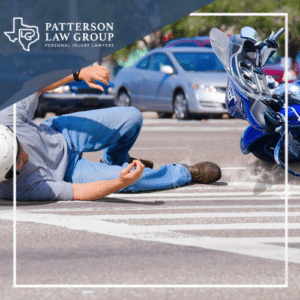
First Steps After an Arlington Motorcycle Crash
The actions you take immediately after a crash can have a lasting impact on your health, your claim, and your ability to recover compensation. We help clients follow a step-by-step process that safeguards evidence and establishes a clear record of events.
Requesting Crash Reports and Public Records
After a collision, the Arlington Police Department will prepare an official crash report, and TxDOT will compile this data into the state’s CR-3 system. We help clients request both documents and verify that all contributing factors, such as weather and road conditions, are properly recorded. TxDOT’s CRIS database can also provide long-term trend information to support your claim.
Preserving Vehicle and Tow-Lot Evidence
Once your motorcycle has been towed, it is important to photograph it immediately before any repairs begin. Tow yards typically release vehicles within a short timeframe, and valuable evidence—like paint transfer or frame distortion—can be lost. We coordinate with storage facilities to ensure the motorcycle and gear are documented thoroughly.
Gathering Medical and Hospital Documentation
For serious injuries, Arlington riders are often transported to Medical City Arlington, Texas Health Arlington Memorial, or JPS Trauma Center in Fort Worth. We assist in obtaining admission summaries, imaging results, and discharge notes from these facilities. These records establish medical causation and support future rehabilitation or wage-loss claims.
Contacting Witnesses and Reviewing Footage
Eyewitness accounts are powerful evidence in motorcycle accident cases. We identify witnesses through APD reports and contact them while their recollections remain clear. We also work to secure 511DFW or NTTA video recordings within days of the crash, since those systems typically overwrite footage after one to two weeks.


Where Motorcycle Accident Claims Are Filed in Arlington
Filing your claim in the correct court ensures that it proceeds smoothly under the proper jurisdiction. Most motorcycle accident lawsuits originating in Arlington are handled in Tarrant County, but certain factors may lead to alternative venues.
Tarrant County Civil District Courts
Severe injury and wrongful death cases are typically filed in the Tarrant County Civil District Courts. These courts have jurisdiction over complex personal injury matters and allow for comprehensive evidence review, mediation, and trial preparation.
Dallas County and Border Jurisdiction Issues
Some collisions near the Arlington-Grand Prairie border may fall within Dallas County, depending on where the crash occurred. We evaluate each case to determine the most appropriate venue for filing, ensuring that it aligns with the location of evidence, witnesses, and law enforcement agencies.
Justice of the Peace Courts
Smaller claims involving only property damage or minor injuries may be filed in Justice of the Peace precinct courts. These courts operate with simplified procedures that can resolve disputes quickly. We help clients decide whether to file in JP court or pursue a larger claim in district court.
Mediation and Scheduling in Tarrant County
Most motorcycle accident cases in Tarrant County are encouraged to enter mediation before proceeding to trial. Local courts issue scheduling orders that set timelines for evidence exchange, expert testimony, and hearings. We manage these deadlines carefully to keep every case moving forward efficiently.
Common Local Patterns of Motorcycle Accidents
Understanding the most frequent crash types in Arlington helps clarify where negligence occurs and how to prevent it. These patterns also help establish liability in personal injury and wrongful death claims.
Left-Turn and Intersection Collisions
A large number of motorcycle crashes happen when a driver turns left in front of an oncoming rider. These accidents often occur near intersections in the Entertainment District or along Collins Street, where dense traffic and bright signage distract drivers.
SH-360 and I-20 Merge Collisions
Interstate and toll-lane merges are particularly dangerous for riders. Truck and commuter traffic entering or exiting highways may overlook motorcycles in blind spots. We analyze traffic camera footage, lane-change reports, and 511DFW data to determine fault in these high-speed collisions.
Work-Zone and Construction-Related Crashes
Division Street (SH-180) and parts of I-30 are frequently under repair, leading to uneven surfaces, gravel, and unclear lane markings. We review contractor records and TxDOT safety audits to determine whether inadequate signage or poor road maintenance contributed to an accident.
Distracted and Impaired Driving Incidents
Texting, speeding, or operating a vehicle under the influence of alcohol or drugs continues to cause preventable injuries. We obtain SAPD and APD enforcement records to confirm whether a citation or arrest occurred, reinforcing the case for negligence.
Building Your Case With Local Evidence
Every motorcycle crash leaves behind crucial evidence that can determine who is responsible and how the collision occurred. Because motorcycles are smaller and more vulnerable than cars, it is important to act quickly before physical or digital evidence is lost. We help riders collect, preserve, and interpret the information that forms the foundation of a strong claim.
Traffic Cameras and 511DFW Footage
Arlington’s 511DFW system and city-managed traffic cameras cover many major intersections and highways, including I-20, I-30, SH-360, and Division Street. These recordings often show traffic flow, signal timing, and lane position before the impact. We request this footage immediately, as many systems automatically overwrite data within seven to fourteen days.
NTTA Toll and GPS Data
NTTA records from SH-360 toll lanes can provide timestamps, lane usage, and direction of travel for vehicles involved in collisions. Combined with GPS or smartphone navigation data, this information can confirm speed, travel route, and proximity between vehicles. We secure this data through official channels to ensure its accuracy and admissibility.
Business and Private CCTV Footage
Restaurants, gas stations, and retail centers along Cooper Street, Collins Street, and Division Street often have cameras that capture nearby traffic. We contact these businesses promptly to request preservation of footage before it is deleted. When relevant, we also examine parking lot or doorway surveillance that may show pre- or post-crash vehicle movement.
Event Data Recorders and Vehicle Inspections
Modern passenger vehicles often contain event data recorders (EDRs), commonly known as “black boxes,” which log information such as speed, braking, and steering angle. We issue spoliation letters to ensure that this data is not erased or tampered with before experts can review it. Independent vehicle inspections may also uncover mechanical issues or missing safety components that contributed to the crash.
Photographs and Rider Gear Documentation
Damage to the motorcycle, helmet, and riding gear can reveal important details about the point and angle of impact. We photograph and catalog every item, working with accident reconstruction specialists to connect physical evidence with crash dynamics. This documentation also helps support reimbursement for gear replacement under applicable insurance coverage.
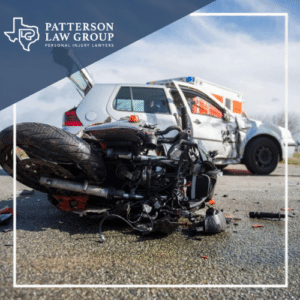
Medical Care and Billing After a Motorcycle Crash
Motorcycle accidents can cause serious injuries that require both immediate and long-term medical care. Coordinating treatment, managing billing, and maintaining organized records are essential to both recovery and a successful claim.
Emergency Care and Hospital Transfers
After a crash, victims are often transported by EMS to Medical City Arlington, Texas Health Arlington Memorial, or JPS Health Network in Fort Worth. These hospitals provide trauma-level care for fractures, spinal injuries, and head trauma. We assist clients in requesting their medical charts, imaging, and billing summaries to document the full scope of injury and treatment.
Rehabilitation and Specialist Follow-Up
Many riders face a lengthy recovery that involves orthopedic rehabilitation, neurology appointments, and physical therapy. Consistent follow-up care not only improves healing but also strengthens your case by demonstrating the ongoing effects of the crash. We help clients coordinate with specialists and ensure that medical updates are accurately reflected in claim documentation.
Medical Liens and Letters of Protection
When medical expenses exceed what insurance covers, some providers allow treatment under a lien or letter of protection. These arrangements defer payment until after settlement, allowing access to necessary care without immediate out-of-pocket cost. We manage these relationships to make sure bills are paid correctly when your case resolves.
Coordinating With Hospital Billing Departments
Hospital billing departments can be complex to navigate, especially when multiple facilities and specialists are involved. We work directly with billing offices to reconcile duplicate charges and ensure that every bill is included in the claim submission. This process prevents unexpected collection notices and supports complete reimbursement through settlement or verdict.
Insurance and Property Damage Recovery
Motorcycle accident claims often involve several insurance policies, each with different coverage rules. Understanding which apply—and how to make them work together—is key to obtaining fair compensation for medical costs and property damage.
Uninsured and Underinsured Motorist Coverage
When the at-fault driver lacks insurance or flees the scene, your own uninsured or underinsured motorist coverage may apply. This policy can cover injuries, lost income, and damage to your motorcycle or gear. We review policy terms, file notices of claim, and ensure that every deadline is met to preserve your right to recovery.
Documenting Helmet, Jacket, and Gear Damage
Protective equipment represents a significant expense for many riders. Helmets, jackets, gloves, and boots can often be reimbursed when properly documented. We collect receipts, inspection reports, and photographs to show that gear damage resulted directly from the crash.
Diminished Value and Total Loss Claims
Even after repair, motorcycles can lose value due to crash history. We work with valuation experts and certified appraisers to calculate diminished value and determine whether the motorcycle qualifies as a total loss. This information ensures that settlement discussions reflect the true financial impact of the collision.
Coordinating Between Multiple Insurance Policies
In some cases, multiple insurance carriers share responsibility—for example, when the at-fault driver was operating a commercial vehicle or when umbrella coverage applies. We handle all correspondence between insurers to avoid gaps, delays, or conflicting interpretations of coverage.
Road and Event Hotspots Across Arlington
Certain Arlington locations see higher motorcycle accident rates because of traffic congestion, event patterns, and roadway design. Knowing where collisions occur most often helps establish context and credibility in your case.
AT&T Stadium and Globe Life Field
Event traffic surrounding these major venues creates unpredictable driving behavior. Sudden stops, pedestrians crossing mid-block, and distracted rideshare drivers all contribute to motorcycle crashes before and after concerts or sporting events. We use city camera footage and police reports to reconstruct these incidents.
Division Street and Randol Mill Road
Division Street (SH-180) and Randol Mill Road are common corridors for local commuting and event traffic. Ongoing construction, uneven pavement, and limited lighting make these areas particularly dangerous for riders. Documentation from TxDOT and 511DFW helps demonstrate that roadway conditions may have played a role.
Cooper and Collins Streets
As two of Arlington’s busiest north-south roads, Cooper and Collins Streets carry heavy traffic through retail zones and near residential areas. Frequent lane changes, abrupt stops, and left turns across oncoming traffic create persistent hazards. Reviewing intersection data and nearby business CCTV often reveals key moments leading to impact.
US-287 and SH-360 Corridors
These highways serve as major commuter and freight routes where motorcyclists share space with commercial trucks and high-speed traffic. Accidents in these areas frequently involve lane-change errors or limited visibility during merges. NTTA toll data and SA-TMC camera records can provide useful evidence for determining vehicle position and timing.
Timelines and Litigation Process in Tarrant County
Every motorcycle accident case follows a specific timeline dictated by Texas law and local court procedures. Understanding this process helps set expectations and ensures that no critical steps are missed.
Statute of Limitations and Filing Deadlines
Texas generally provides a two-year statute of limitations for personal injury and wrongful death claims. Exceptions may apply for minors, government vehicles, or delayed discovery of an injury. Filing early allows sufficient time to gather evidence, consult experts, and comply with all procedural requirements.
Mediation and Case Scheduling
Tarrant County courts encourage mediation as a way to resolve disputes without lengthy trials. Mediation offers an opportunity for both sides to present evidence in a neutral setting and negotiate a fair settlement. We prepare thoroughly for this step by organizing documentation, calculating damages, and advising clients on realistic settlement expectations.
Discovery, Expert Testimony, and Pretrial Preparation
During discovery, both parties exchange evidence and question witnesses under oath. Expert testimony from reconstruction specialists, medical professionals, and economists may be used to explain technical details to the jury. We manage each phase carefully to ensure the case remains organized and on schedule.
Trial Preparation and Local Court Practices
If settlement efforts do not succeed, the case may proceed to trial in the Tarrant County Civil District Court. We prepare every case as if it will be presented before a jury—reviewing exhibits, witness statements, and medical documentation to build a persuasive, evidence-based presentation.
Vehicle Data and Reconstruction Evidence
Motorcycle accident reconstruction combines physical evidence, engineering principles, and digital data to determine how a crash occurred. Accurate analysis can clarify disputes about speed, distance, and visibility.
Event Data Recorders and Onboard Sensors
Many vehicles now include event data recorders that capture speed, throttle position, and braking input. These records help determine whether the at-fault driver reacted appropriately before impact. We coordinate with technical experts to extract and interpret this data correctly.
Skid, Yaw, and Surface Analysis
Skid and yaw marks indicate braking distance and direction of travel. We work with reconstruction engineers to measure these markings and compare them with roadway surface conditions, such as polished concrete or recent resurfacing, to evaluate whether traction contributed to the crash.
Lighting and Conspicuity Studies
Visibility plays a major role in many motorcycle collisions. Reflective clothing, headlight angle, and environmental lighting are analyzed to determine whether a driver could have seen the rider in time to avoid impact.
Engineering Reports and Expert Testimony
Independent engineers provide reports that translate technical evidence into clear findings for judges and juries. These analyses can demonstrate that a collision was caused by poor roadway maintenance, driver inattention, or other preventable factors.
Injured in Arlington? Contact Patterson Law Group
If you or a loved one has been injured in a motorcycle crash in Arlington, our team is ready to help you rebuild. We manage every detail of the claim—investigation, evidence preservation, and insurance communication—so you can focus on recovery.
Schedule your free consultation today to learn how we can help after a motorcycle accident on I-20, I-30, SH-360, or near Arlington’s Entertainment District. During this meeting, we will review your situation, explain your rights under Texas law, and outline the next steps toward fair compensation. You do not have to face this process alone—contact Patterson Law Group today to begin moving forward with confidence.
Arlington Motorcycle Accident FAQs
What should I do immediately after a motorcycle accident in Arlington?
Your first priority is safety and medical care. Move out of traffic if you can do so safely and call 911 right away. Wait for emergency responders and the Arlington Police Department to arrive so the crash is officially documented. Even if you feel fine, seek medical attention immediately—injuries like concussions or internal bleeding may not appear right away. If possible, take photos of the vehicles, your motorcycle, and any visible injuries. Gather contact details for witnesses and exchange information with all drivers involved. Once your condition is stable, contact a motorcycle accident attorney who can help secure crash reports, preserve footage from 511DFW or nearby businesses, and communicate with insurance adjusters on your behalf.
Who can be held responsible for a motorcycle accident in Texas?
Liability depends on how the crash occurred. Commonly, another driver is at fault for unsafe lane changes, speeding, or failing to yield. Employers may be liable if the at-fault driver was working at the time of the crash. Government entities or contractors can also share responsibility if dangerous road conditions or poor maintenance contributed to the accident. In some cases, manufacturers may face liability for defective parts such as brakes or tires. A thorough investigation is needed to identify all responsible parties so that every possible source of compensation can be pursued.
What are the most common causes of motorcycle crashes in Arlington?
Frequent causes include left-turn collisions at intersections, lane-change accidents on SH-360, speeding on I-20 or I-30, distracted driving, and intoxicated operation. Construction zones along Division Street and poor lighting near the Entertainment District also contribute to crashes. Road debris, potholes, and sudden stops in congested areas such as Cooper Street and Collins Street are additional factors. Many of these accidents are preventable when drivers maintain awareness and follow traffic laws designed to protect riders.
How long do I have to file a motorcycle accident claim in Texas?
Texas law generally provides a two-year statute of limitations from the date of the crash to file a personal injury claim. However, exceptions exist for minors, wrongful death cases, or accidents involving government entities, where shorter notice deadlines may apply. Because key evidence—such as camera footage or witness recollections—can disappear quickly, it is best to contact an attorney as soon as possible to preserve your rights and avoid missing important filing deadlines.
What compensation can I recover after a motorcycle accident?
Compensation, also called damages, can include medical bills, future treatment costs, lost wages, and property damage to your motorcycle and gear. Non-economic damages may cover pain, emotional distress, scarring, or reduced quality of life. In cases involving reckless or intoxicated driving, exemplary damages may be available to punish especially dangerous conduct. Each claim is unique, and the amount you recover depends on the severity of your injuries, the evidence supporting your case, and available insurance coverage.
Can I still recover damages if I wasn’t wearing a helmet during the crash?
Yes. Texas does not require helmets for riders age 21 or older who meet specific insurance or training requirements, and failing to wear one does not automatically prevent recovery. However, insurance companies may argue that lack of a helmet contributed to head injuries. Your attorney can counter these claims by emphasizing the driver’s negligence and showing that the crash, not helmet use, caused your injuries. Helmets do reduce the risk of severe injury, but the absence of one does not excuse another driver’s careless or unlawful behavior.
What if the driver who hit me doesn’t have insurance?
If the at-fault driver is uninsured or underinsured, you may still have options. Your own motorcycle insurance policy may include uninsured/underinsured motorist (UM/UIM) coverage that can help pay for medical expenses, lost wages, and property damage. In some cases, additional coverage may apply through a homeowner’s or umbrella policy. We help clients review their policies, file necessary notices, and ensure every eligible claim is pursued. Acting quickly is important—some policies require prompt reporting to remain valid.
How do attorneys prove fault in a Texas motorcycle accident case?
Proving negligence involves showing that the other party failed to use reasonable care and that this failure caused your injuries. Attorneys rely on evidence such as the Arlington Police Department crash report, 511DFW or NTTA toll footage, witness statements, and vehicle data from event recorders. Accident reconstruction experts can analyze speed, visibility, and braking to confirm how the crash occurred. We also review phone records, toxicology results, and maintenance logs to identify distractions or mechanical issues that contributed to the collision.
What evidence should I collect at the scene of a motorcycle crash?
If it is safe, take photographs of your motorcycle, the other vehicle, roadway debris, and any visible injuries. Note skid marks, road signs, and construction barriers. Collect the driver’s license and insurance information from everyone involved and ask for contact details of any witnesses. When possible, record the badge numbers of responding officers and request the APD report number. After leaving the scene, preserve your helmet, jacket, and damaged equipment, as these items can help show impact points and injury mechanics.
How is comparative negligence handled in Texas motorcycle accidents?
Texas follows a modified comparative fault rule, which means that you can still recover damages if you were partly at fault—as long as you are not more than 50 percent responsible. If you share fault, your compensation will be reduced by your percentage of responsibility. For example, if you were 20 percent at fault and your damages total $100,000, your recovery would be $80,000. Determining fault percentages requires careful analysis of traffic data, witness statements, and physical evidence.
What are the most common injuries from motorcycle accidents in Arlington?
Motorcycle accidents often result in serious injuries such as fractures, spinal cord trauma, traumatic brain injuries, and internal organ damage. Road rash, ligament tears, and severe lacerations are also frequent due to the lack of vehicle protection. Some riders suffer long-term complications that require surgeries, rehabilitation, or permanent mobility aids. Documenting all medical evaluations and following your treatment plan are critical to proving the full extent of your damages.
How much does it cost to hire a motorcycle accident attorney in Arlington?
Most attorneys, including our firm, work on a contingency fee basis. This means you pay nothing upfront, and legal fees are collected only if your case results in a settlement or court award. This arrangement allows injured riders to access legal representation without financial strain. During the initial consultation, the attorney will explain how fees are structured and what costs are included in the agreement, so there are no surprises later.
How long does it take to resolve a motorcycle accident case?
Timelines vary depending on the complexity of the case and the severity of injuries. Straightforward cases may settle within a few months, while those involving multiple defendants or serious injuries can take a year or more. The process usually includes evidence collection, medical documentation, negotiation, and possible mediation before trial. Throughout the process, your attorney will provide updates and work to keep the case progressing toward resolution without unnecessary delay.
Can I file a lawsuit if a loved one was killed in a motorcycle accident?
Yes. Surviving family members—including a spouse, children, or parents—can file a wrongful death claim under Texas law. These lawsuits seek compensation for both financial losses, such as income and funeral expenses, and emotional losses, such as companionship and mental anguish. If the deceased survived the crash for any length of time, the estate may also bring a survival action to recover damages on behalf of the victim. Both types of claims are subject to strict filing deadlines, so seeking legal advice promptly is essential.
What Texas motorcycle laws should riders know to stay safe and protect their rights?
Texas law requires motorcyclists to hold a Class M license and carry minimum liability insurance. Riders age 21 and older may choose not to wear a helmet if they have completed a safety course or carry the required insurance coverage. Lane splitting is not permitted under Texas law, and headlights must be on during operation. Understanding these regulations not only enhances safety but also strengthens your legal position if a collision occurs. Following traffic laws, wearing visible clothing, and maintaining your motorcycle in good condition all help protect your rights and reduce risk on Arlington’s busy roads.