Law Talk: The Texas Legislation That Could Make Our Roads More Dangerous
Two trial lawyers sound the alarm on bills moving through Austin that strip rights from injured Texans.
Featuring: Wade Barrow
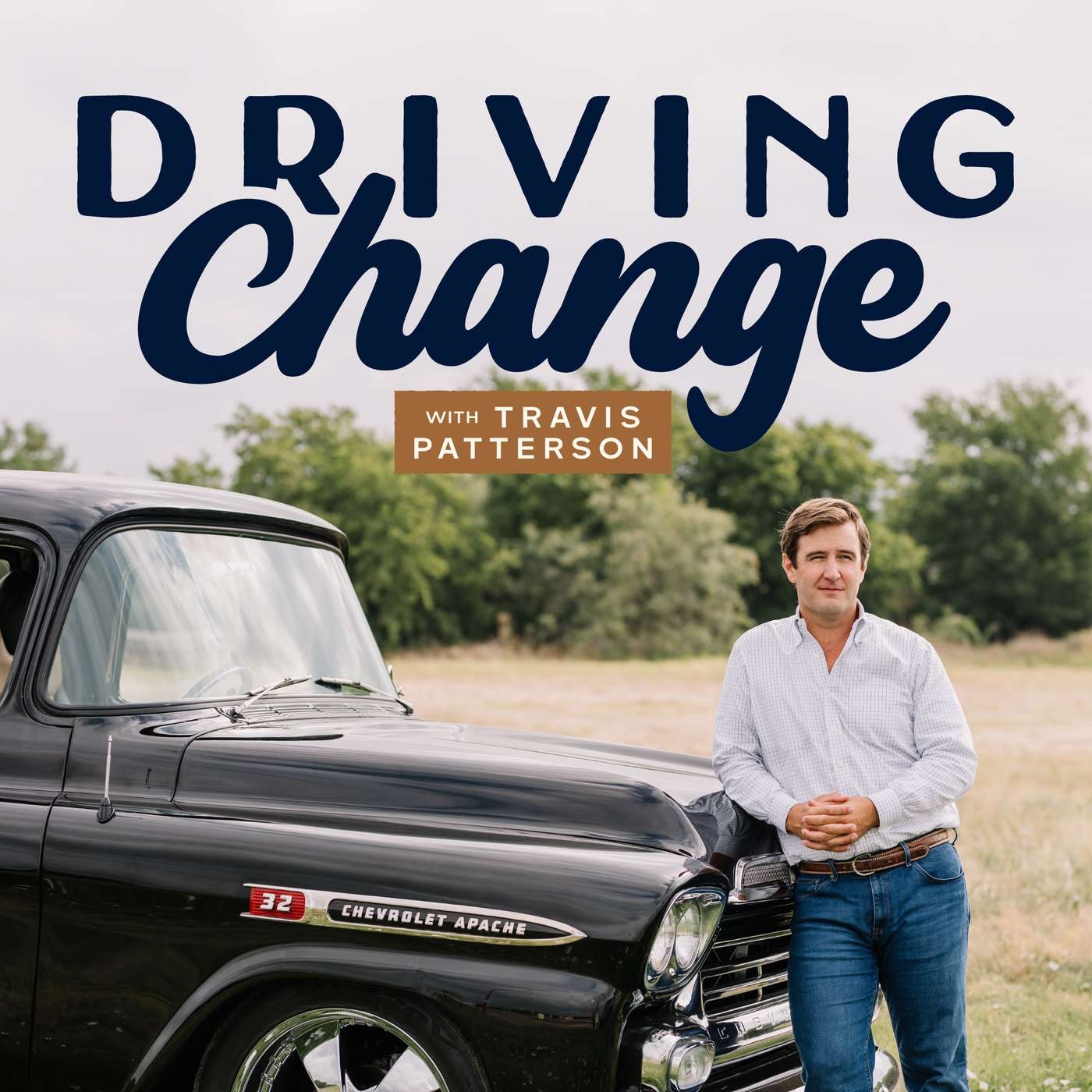
Listen wherever you get your podcasts.
This one was recorded for the ear only. Tap a button below to listen — or read the full transcript on this page.
About This Episode
Texas already ranks number one in the country for large truck crashes — every year for the last eight years. Now there are bills moving through the Texas Legislature that would make it harder for juries to hear the full story when trucking companies cut corners and people die. Travis and veteran trial lawyer Wade Barrow explain what's in the bills, why they matter, and what everyday Texans can do before it's too late.
Show Notes
- The streak: November 7, 2000 was the last day no one died on Texas roads — over 9,000 consecutive days of traffic fatalities.
- The two bill buckets: the trucking bills and the damages bills — and what each would actually do to injury cases in Texas.
- Texas's eight-year run as the number one state for large truck crashes, compared to all surrounding states combined.
- How the 2021 trucking tort reform bill played out — and the data showing crash rates and severity went up after it passed.
- The human cost: the families who testified in Austin — widows, firefighter sons in dress uniforms, a teacher on a bus with special-needs students.
- Why the insurance lobby consistently wins in Austin even when the evidence is devastating.
- What Texans can do right now: visiting texaswatch.org and signing petitions before the bills reach the governor's desk.
Key Quotes
“Texas ranks number one in the country for large truck crashes — not just this year, not just last year, but every year for the last eight years.”
“Since 2021, 3,222 Texans have been killed by large trucks. One person died on Texas roads every two hours. One person was injured every two minutes.”
“After the 2021 trucking tort reform bill passed, the rate and severity of trucking wrecks increased. If you hide their bad deeds and make it easier to defend, the motivation to run a safe operation decreases.”
“These bills could have a cascade of unintended consequences — they're trying to do something but just put a lot of words on paper.”
Full Transcript
Every Word, Word-for-Word
Searchable, citation-ready, and accessible.
Read the full transcript →
Travis: Alright. Welcome to another episode of driving change podcast. I'm Travis Patterson here today with my buddy, Wade Barrow, fellow plaintiff's lawyer, kinda known around these parts as one of the the the smarter guys in our bar. I don't know what that says about us, but we look to to wait for guidance on when things get a little hairy. And things are definitely getting hairy on what we're gonna talk about today, which is stuff going on at the Texas Legislature that affects just the rights of everyday injured Texans.

And just very quickly, this is you know, we typically do our podcasts in studios, and there's a lot of bells and whistles and stuff like that. But those things take a lot of time to plan, a lot of moving parts, a lot of schedules. This is something more of time is of the essence. I talked to Wade multiple times each week about this issue, and it is changing rapidly. There's things today that we're gonna talk about that Wade updated me on ten minutes ago.

So we just wanted to get this message out as quickly as possible. So if we sound a little different, that is why. But like I said, time is of the essence. So, basically, what's going on, the Texas Legislature, as most of you guys know, meets every two years, and they are currently meeting down in session in Austin, Texas. And they're going through bills of all sorts of things.

School vouchers, one of the big ones. There's there's all sorts of political issues that we're not gonna touch with a 10 foot pole today. But there are two kind of categories of bills going on, Wade, that affect the kind of people that we represent, which are injured Texans. And we kinda group these bills into two different buckets. One of them we kinda call the trucking bucket or the trucking bills, and then one we got the damages bucket or the damages bills.

And real quickly, before we get into, like, what these bills are doing and and how bad this will hurt folks, I kinda wanna just, at a high level, Wade, kinda zoom out and say, like, why should people care? Right? Because, you know, you know this. You tried more cases than just about anybody in this town. The biggest bias you get with the jury is like, hey.

I really wanna care, but this probably isn't gonna ever happen to me. So I just don't. And so you gotta bust through that kind of bias. And so I wanna kinda just paint a picture of where we're at as far as road safety in Texas, because it's it's kind of insane. Well, you're a political guy.

You might remember this. 11/07/2000. K? That was the date of an election, the Bush v Gore election. Right?

Wade Barrow: Correct.

Travis: Did you know that that was the last day in Texas where someone didn't die on our roads?

Wade Barrow: I didn't know it was that long. I I I renew it that they had an ongoing streak with fatalities. I did not know that it goes back twenty five years. I didn't know that. Bill Bill Clinton Doesn't surprise me.

Travis: But It's it's insane when you think about it. We're almost at nine thousand days. And, of course, you know you know, nowadays, multiple ten, twenty people die every day on Texas roads. It's not just one person. So the streak is not going to be ending, I don't think, anytime soon, I'm afraid.

But we've we have a long track record of unsafe roads here in Texas. It has gotten worse. If you drive around here, you know what I'm talking about. You see the distracted driving. You see all the trucks.

We're in a bad way right now. And so anytime we see bills that only have the potential to make our roads more dangerous than they already are, my guard goes up and I go nuts. And I know you're like that too. If we look at some statistics, TxDOT doesn't have twenty twenty four stats yet, Wade, but 2023, we can look at our data. We have 20 let's see.

In 2023, four thousand two hundred and eighty three people died on Texas roads. One person was killed every two hours, Wade. One person was injured every two minutes, and we had one reportable crash every fifty seconds. That's just the reportable crashes, right, where there's property damage or some some kind of physical injury. So we have wrecks happening all the time.

We have people getting hurt, and we have and it's not just normal car wrecks. We have terrible, terrible trucking statistics. Okay? And Wade Wade's looking at what I'm about to pull out here because it's

Wade Barrow: it's Yeah. I was I was actually I was I was trying to pull that up, but I'm glad you have it because it's it's stunning.

Travis: Let's see. It is stunning. Okay. So the state of Texas, guys, we ranked number one in the country for large truck crashes. Not just this year, not just last year, but every year for the last eight years.

And we don't just, like, barely lead this category. If you take the states, Wade, correct me if I'm wrong here, of Oklahoma, Colorado, New Mexico, Kansas, Louisiana, Arkansas, Arizona, Mississippi, and Nebraska, pretty much all of our neighbors and then some, and you add them all up, Texas still outranks those states. Yes. Absolutely does. In terms of large truck crashes.

And, of course, these crashes are killing people. We've had three thousand two hundred and twenty two Texans killed by large trucks since 2021 alone. So someone might say, okay. Well, yeah, Wade, Travis, fine. Yeah.

Texas is a very big state. We have a lot of people, and we have a lot of trucks. Well, yeah, that's kind of the point.

Wade Barrow: Right.

Travis: So we can't do anything that can make this situation more dangerous. We have to incentivize the these trucking companies to be as safe as possible. There's a very common theme when you're a trial lawyer and you try these cases of profit over safety. How long how many times have you said that in front of a jury?

Wade Barrow: Absolutely.

Travis: Wait. And so what we need to do is create policies and incentives for these trucking companies to focus more on safety rather than profit. So, Wade, I'm gonna throw that up to you now.

Wade Barrow: Because I when you decided those those statistics, now I'm like the caged tiger. I wanna jump out because I wanna point out something that you on those statistics you just pointed out because I I I do the majority of my practice is in trucking cases.

Travis: Yeah.

Wade Barrow: And our listeners may or may not know that there was a tort reform bill passed in '21 solely on trucking. And what that it gave a bunch of benefits to the trucking company to make sure to keep evidence from the jury about their misdeeds. And since that bill passed, the rate percentage and severity of trucking wrecks has increased. And that's when you talked about policies, that's the first thing I said. It's like, look.

If you make it if you hide their bad deeds and you make it easier to defend themselves, the the the motivation to run a safe operation decreases. For example, if you allow the if you tell a judge you cannot allow evidence in of their violation of federal motor carrier safety regulations, their incentive to follow the Federal Motor Carrier Safety regulations drops drastically. Yeah. And those rules it's like I tell I tell folks all the time, I said, the Federal Motor Carrier Safety regulations are to commercial trucks, 18 wheelers, what the FAA regulations are to airlines. Right.

And nobody would get on a American Airlines flight if Americans said, well, we follow about 50% of the regulations. Right. It'd be like, no way. Right. But the trucking industry thinks they're special and that, you know, 50% is good enough or even less or in cases I know you have seen and taken depositions of safety directors that they did not follow any of them.

Oh, yeah. And and and our listeners probably like, well, that that seems outlandish. I I can show you the transcripts. Right. They they it doesn't unfortunately, there's not a lot of barriers to entry in this industry.

I will say, and you you have seen the same thing, there are very responsible trucking companies True. Who do things the right way. Sure. And I don't normally encounter them.

Travis: Yeah. They're they're not causing car

Wade Barrow: wrecks. And then I I could tell you wild stories like there it has become such the wild wild west in that industry. I have ongoing litigation with a company where all of the managerial level employees, the dispatch, all of it are located in in Estonia. Estonia. They have American drivers with American trucks, but the operations are of Estonia.

Travis: Is there an Estonia, Texas that I'm not familiar with?

Wade Barrow: This is Estonia in Europe. Okay. And it's like I I I mean so that's a problem. And and we are dealing with companies that are fly by night. They don't care about our citizens.

They don't care about safety. They care about the buck. And when those are the ones that lead to catastrophic accidents.

Travis: Hold on. Hold on. Wait. I thought these are all mom and sweet mom and pop shops that are just worried about their insurance premiums. Is that not It completely accurate?

Wade Barrow: Yeah. No. And so and and two things on that, and and we both have rye grins on our face because it's it is it is it is not. Those and and, candidly, those little many of those mom and pop places aren't the problem. The fly by night one truck guy who doesn't follow the regulations and has no training and no ability, he absolutely is.

And the second thing is the one thing we'll talk about some legislation today. The one thing you will never see in in these legislations is anything that requires insurance companies to reduce rates. And and you and me, we both have been getting hammered by our homeowners insurance, our car insurance, you know, any type of insurance we have. And and so I empathize with that. I do.

It stinks to pay it. But in there's none of these, quote, reform bills that actually ever requires an insurance company to reform and to charge their customers less. And the history of of forty years of tort reform in the state of Texas is the rates still go up. Right. And they don't they pretty much go up at the same rate, the same climb they always did.

Now profitability, the margins of the insurance companies have have increased drastically.

Travis: Right. You know, it reminds me of, you know, fool me once, fool me twice. You know, they they fooled us 20 in 2004 with these premiums are going up and we gotta do something about it. And so we had med mal tort reform, but they're trying that same sales pitch now with the insurance premiums are going up, and this will this will fix it.

Wade Barrow: Yeah. So I to your point, you know, that the one of the big sales in 2004 is we need this med mal medical malpractice. Sorry. I'm I'm using jargon. Reform because that that's gonna make your health insurance and your medical care cheaper.

And if there's any listener that's old enough to to to to remember how things were in 2003 and now, if there is anybody out there that has less expensive health insurance with more robust coverage, you know, not higher deductibles, not higher Yeah. Co pays, you please will you reach out to us and tell me who you're dealing with? Because that is not my experience.

Travis: Yeah. That

Wade Barrow: way. It is it has gone up drastically and the coverage I you know, we have now, it's like, you know, there's a $5,000, you know, deductible you have to meet.

Travis: Yeah. It's brutal.

Wade Barrow: It's it's a it's a mess.

Travis: Alright. So let's get into and and just again, just big picture. We have very, very dangerous roads. You guys know this. Wade and I can tell you story after story after story of just terrible things.

And Wade has a story here he's gonna share with you guys too. But just just thinking about this too, the way I think about it, it's like why should people really care about this? Like, if you get in your car and you put on your seat belt every time you get behind the wheel, like, do you do that? It's because deep down, you know. You know that this might be the trip where something bad happens.

Right? If you've never been in a wreck before, I hate to tell you this, but there's a good chance that at some point, your vehicle's gonna get hit. Right? It's just it's a numbers game, and it's a bad numbers game. If you put your kiddos in car seats in the latest and greatest car seats with all the bells and whistles, it's because deep down in your gut as a parent, you know that something could happen on this trip.

I urge you to use that same kind of sensibility and common sense to think through this and to take action, which Wade and I will talk about here in a little while. But Wade, let's get into the bills and what they're trying to do. So again, there's multiple bills in each of these kind of sections. Wade and I are gonna call these the trucking bills and the damages bills. We're gonna start with the trucking bills.

Wade, why don't we we start with a story of your amazing clients who would went down to Austin to testify and tell their story to the politicians down there and and how this legislation would would have changed kind of their stories?

Wade Barrow: Sure. Because and that's I I think I wanna tell the story of of the families of Caleb Hamby and Corey Webb, her deceased. I wanna talk a little bit about them, and then I'll tell you how this bill would change what happened in their case. Both these gentlemen were driving. They they lived in Northern Louisiana.

They were driving back home after working here in Texas, and they were in Carthage. They were stopped. They were turning left. There was actually an 18 wheeler in front of them, and they were, you know, probably an hour from their house and probably looking forward to a meal and sleeping in their own bed for the first time in a few days. Little did they know behind them, a 18 wheeler at a at at according to the electronic data, hit them going 69 miles an hour on cruise control, never touched the brakes, hit them so hard, it drove them into that 18 wheeler in front of them, gigantic fire.

The DPS got there, and it was not until a stand a a witness to the wreck said, hey. There's actually a vehicle in between those two eighteen wheelers. The DPS officer says we couldn't even tell. Yes. So it's not going to surprise our listeners that it that they were killed almost instantly.

And they were married. They were approximately early thirties. They they each had three children each. Between them, five girls and one boy, all ages six months to seven years. Wow.

And so we got that case, and one of the things that we we do is we're like, obviously, we know in a situation like that whose

Travis: fault it is.

Wade Barrow: That's not a real revolutionary question. You know you know

Travis: what happened, but you what you don't know is why then.

Wade Barrow: Why? We had to get to the why. Right. And, honestly, what this trucking bill, you said we're gonna start here, is what they want to keep from the jury is why. Yeah.

And they wanna say it's just a rear end wreck, and that's all you need to know. But let's tell you what what happened to these remarkable families that that that forever changed them and left two widows and six children without their fathers. So what we got into the why is the first why was that the Federal Motor Carrier Safety Regulations, which we touched on earlier, requires companies to monitor and test for drugs. Right? That seems very reasonable.

We don't want druggies driving our trucks for all the reasons that you might Sure. Know. There are no. And so what we got into is when I was taking the deposition of the safety manager, I asked him. He says, did you ever perform preemployment preemployment drug testing on this individual?

The answer was no. Did you ever test him at any point? The answer is no. When they, because it was a fatality accident, the DPS immediately takes this guy to the ER. They draw blood, and it's not going to shock you that he was he was high on drugs at the time this happened.

Okay? So that is awful. Here's why that matters in this bill. This bill would and it gets tricky. You have to they they they like to play with words.

They would say, well, it you can still tell the jury he was high on drugs. That's that's you can tell them that. But you can't tell them under this bill the company's consistent failure to monitor this driver, to follow the federal regulations that required them to do random testing, pre employment testing, and to monitor this driver for drug behavior, which he clearly showed. And so it what they want to do is take the company out of the equation and say, it's all the driver's fault. The company didn't do any wrong.

As you know, this driver is is making, you know, 40 to $50,000 a year. That's that's a noble that's a noble pursuit, truck driving. But, you know, that's these companies make much, much, much more than that. They have the profit incentive. Punishing or not punishing.

Holding this driver accountable doesn't change the safety culture on our roads. Right. Holding the companies accountable changes the safety culture on our roads because they have the profit motive to do so. But it doesn't even end there, Travis. In addition, this driver was high on drugs.

His his his his assertion was that he had fallen asleep. Alright? Well, so we we that that's the other why. So we get into it, and there there was a US audit after the wreck, and it states and I'm gonna read this because I think this quote is amazing. The fact that the the trucking company had a failing safety management system was made known to the US DOT auditor involved in the required compliance review due to the accident.

During the compliance review, the auditor found that the trucking company had not been auditing their hours of service, did not properly qualify their drivers, and had issues with their requirements surrounding participation in drug and alcohol programs. Right? So the company wasn't doing anything. And and I know your ears perked up when I said hours of service. What that means is drivers are only allowed to drive for a certain amount of time each day.

And the reason is because we don't want them driving tired, falling asleep, killing two men. Right. And what the trooper and the US DOT determined is that this company didn't do anything to enforce this. They actually encouraged their drivers to drive as long and as far as they could. The the the trooper in this case did a a on the scene log audit and determined this driver had driven for three days including this day.

Each and every day, he had violated the hours of service. So when he fell asleep and killed two men, it was completely predictable. Yeah. And again, who profits from that? The driver gets paid the same either way.

But the more loads they take, the more frequently, the the sooner they get the load there, get the truck back for another load. The load is where the company makes money. They can push their drivers, push their drivers, and push their drivers. And under this law, I would be able to get into evidence that he was over or out of service, that he fell asleep. What I couldn't get into evidence and what they want to keep out is the company has a obligation.

It is a requirement under federal law to monitor these drivers, and they have it with computers now, Travis. You know that. And it's they can be back at the the main office and see he's he is about to hit fourteen hours. They can get on CB and pull the truck over Yeah. Go to sleep.

Yep. And so what these laws do is prevent and and this specific law would prevent this specific evidence in this specific case from the jury being heard. And the jury's not gonna get the full story. They're they're they're going to be like, okay. Well, these were just two bad drivers.

That's all this was. And that's not these the this is a this is a driver who was candidly not a great driver. And but he was put in this position by a company that didn't care and used he he I know this he was he was I mean, just to be honest, this guy was was poor. He needed the job. He needed the money, and they could about tell him whatever, and he was gonna do it because he needed the paycheck.

And and it holding him accountable does a little. I'm not gonna say it doesn't do much. But unless you hold that company accountable for what they have done, this we put this company out of business. Under this new law, these companies will thrive. And that's that's sad.

Travis: Yeah. And that's it right there, folks. Laws like this because, you know, you go in and you read these statutes. I mean, sometimes these things are even for Wade and I had to read these things, it's clear as mud. But you you can see just in a couple words, it's like, we're gonna eliminate some subsections c through e.

And, like, right there in just a few words, they're limiting your ability to bring up all these evils and these sins that are happening at the corporate level. Because, yeah, not not every truck wreck is caused by drug use, but there's usually something going on. Hours of service, we have fatigued drivers, unlicensed truck drivers. Wade, how often have you seen that?

Wade Barrow: Oh, yeah. No. It it it it it it's I mean, I I have seen so much that it's hard to shock me anymore. Yeah. I mean, it I hate to say that.

It's just like, you know, my my legal assistant, Cindy, who's tremendous, can still be shocked. Right. And I and I just kinda look at her like, oh, that's sweet.

Travis: Sweet kid. Yeah. It's like no. I mean, it's it's Yeah. Something's something's there.

I mean, it's just a matter of doing the work and finding it.

Wade Barrow: Yeah. And and it's just and it's just all the death and the sadness and the stories that go with this. So Ashley testified.

Travis: Yeah. Talk about that experience.

Wade Barrow: So she she went down well, I gotta I gotta clarify. Ashley Hamby testified because Corey and Caleb's wife was both named Ashley, which and and they'd be and this is very heartwarming. These women with these three kids, after their husbands were killed, they kinda became a family together. Sure. They lived together at times.

You know, they they kinda became this pod that that helped them move forward

Travis: Wow.

Wade Barrow: Through the grief. But Ashley and they are moving forward, but they still remember and still fight for people. The one thing they both said is, we'll go down there and testify because we don't want anything like this to happen to anyone ever again.

Travis: Yeah. God bless them.

Wade Barrow: And she said that the night it happened, 12/11/2021, they brought the kids in and explained to them and the some of these kids were they they didn't understand, but they had kids kinda old enough to understand

Travis: death. And

Wade Barrow: one child said to the next is they went off to the side after they explained it to him that daddy had died, and one little girl said to the other, don't worry, Millie. Daddy's always come home. Yeah. And she had to go to her daughter and say, not this time.

Travis: Oh, man.

Wade Barrow: And and she told that story, and she said she said and she could she was she said, this is about accountability. You know? It's not about money. Nothing could ever ever repay these families for what they've gone through. You give them a billion dollars.

They turn it down. Yeah. It is it is about accountability and knowing why and trying to prevent it to happen again. Because only if you've been through that grief can you understand the toll it has.

Travis: Yeah. I mean, yeah, when you hear a story like that and you see the statistics that we read that Texas is dominating the country in truck wrecks. Like, Wade, what are we doing? Like, why are we seeing this truck bill? You know?

Just help help folks understand that. So because, like, it's hard. Like, who could sit there in those committee hearings and hear that story? And I'm sure your clients weren't the only weren't the only ones testifying.

Wade Barrow: Sure. No. It was over story

Travis: after story after story. I bet that was

Wade Barrow: Just as a visual, there was one gentleman who was a fireman, and he had four sons, and they were all firemen. And they came in in their dress uniforms and talked about their dad in McKinney fire department who was killed responding to something by a truck. And I thought, you know, now it's just a visual Yeah. Of those four fine young men

Travis: Yeah.

Wade Barrow: And the the pain on their face. It it was just I could tell you and all these people just came at the the the teacher who was on a busload of special needs students who got broadsided by an 18 wheeler, and some of the children were killed. And she had a she had a broken arm, and she tells a story of trying to comfort these kids and and who who who have trouble processing anyway. And it just it was one of the most gut wrenching things I've ever heard. And and to answer your question, there is a permanent insurance lobby in Texas, and it had comes up with another crisis every two years.

Travis: Mhmm.

Wade Barrow: And this is a little bit cynical, but it's a powerful lobby. And it has the ability to run candidates and oppose candidates and make problems for people who even a politician just say, I'm not sure that's such a great idea. They can make life hard on them, and and that's just a fact. And, you know, and the reality is, as you noted, sometimes we sit around and say, well, that stinks, But, you know, is this really gonna affect me? And I know and I get that.

I'm not fussing at people. I've I'm I'm sure there are other issues that I have personally heard and I thought, well, that stinks, but, I mean, you know.

Travis: A lot

Wade Barrow: of stuff. And so that's you know, a lot of these politicians view it as as a zero sum game of, well, yeah, this is probably the greatest thing in the world. But I I, you know, I may get, you know, a thousand letters a day about vouchers, and I may get maybe get, you know, two or three about this. So it's not really on the public's radar. What's it gonna hurt me?

Right? Yeah. And and that's a cynical way to look at things, but it's honest.

Travis: It's a realistic way to look things. Yeah. You've you've been down there. Okay. So that's the trucking bill.

Yes. In a nutshell, it's going to make it harder to hold trucking companies accountable for their wrongdoings at the company level. Right? The decisions they make in advance of bad car wrecks that could have prevented and would have prevented these car wrecks. Right.

We're not talking about just, oh, we got you in some loophole. You forgot to file this document somewhere, and now we're gonna get you for gross negligence. That's not what we're talking about. Right. We're talking about violations at the company level that lead to the carnage.

What Wade and a lot of plaintiffs' lawyers around the state of Texas are charged with doing each and every day is preventing that from happening going forward. They're trying you know, plaintiffs' lawyers get a bad rep. No one we Wade and I get it. You call a sandblast chaser. You're not gonna offend us.

We've heard it a million times. But a big part of our job is public safety by holding these wrongdoers accountable so they never do it again. Wade put this trucking company out of business, but also spreading the message so the rest of them don't do it again. And bills like this will make it harder to do that. Right.

Wade Barrow: Absolutely. They they I I can always say if if if the first round of trucking tort reform on twenty twenty one deaths and injuries went up in Texas. And I say this with no glee, but if this bill passes, I'm very concerned about the effect it'll have on that statistic. Very concerned.

Travis: Yeah. I'm with you there. So that's the trucking bill. It's we call it it's s b 30 senate bill 39 and it's band of brothers, but s b 39. At the end of this, we I'm gonna we're gonna switch gears and talk about the damages bills real quick.

But what we need from you, if you're listening this far, if you're fired up like we are, or if you just agree with what we're saying and you wanna support our cause, we're gonna point you to a group called Texas Watch. Wade is can talk about Texas Watch, but they have petitions where you go in there, you click a few buttons, fill out your information, and then, of course, send a letter to your all of your representatives. So you use your home address, not your business address. Right? That's right.

Wade Barrow: That's right.

Travis: Some people around here made that mistake. But we fixed that. But do that and just tell these tell your politicians that you're not in favor of what they're doing here.

Wade Barrow: Yeah. So Texas Watch, and it's texaswatch.org, w a t c h, is a it is a it's a it's it is a nonprofit in the truest sense of the word. They are just they they kind of have two focuses, consumer protection, insurance reform on behalf of policyholders, trying to get rates down, protect policyholders, and safety on on the roads and safety generally for families. And they they they get by on a shoestring budget, and they fight the good fight. And their executive director, Ware Windell, is a friend of mine, and he is a proud graduate of Pascal High School.

Travis: Alright. Right down the street.

Wade Barrow: He'd want me to say that. And if you go to their website, you can and I have done it. I can tell you it took me about twelve seconds. Mhmm. You can fill out two petitions.

One, and it goes directly to your representative. One, for the trucking bill. You can say, no. I wanna keep my the roads and my family safe. And the second is what we call what me and Travis and I call the damages bill, and we'll talk about that.

But that's gonna protect you from from bad actors leaving you in debt, and we'll talk a little bit about that.

Travis: Alright. Let's do it. Alright. So we got the damages bill. This is s b 30, and it's got some companion bills.

You don't need to worry about that right now. But we've got these group of damaging damages bills. It's a this one's the long one, Wade.

Wade Barrow: Yes. I don't

Travis: I don't know why they have to make these so dang long, 30 pages or so.

Wade Barrow: That's right.

Travis: I heard someone call it papa bear.

Wade Barrow: That's right. That's Jack Walker, great lawyer, and Tyler. He he that's he came up with that name and it kinda stuck.

Travis: Okay. Alright. So tell me what the damages bill does because I don't know about you, Wade, but when I get a client and and you and I both do personal injury, but kinda little different setups. So, know, we I represent people that, you know, it's not just wrongful death cases, not just catastrophic cases. I see more of kind of everyday car wrecks as well.

Wade, I don't know about you, but when one of my clients comes in, they the biggest question is, like, where do I go to for treatment on this thing? My PC I told my PCP, right, about my car wreck, and they said, I don't wanna hear another word from you until you're done treating with somebody else. I'm I'm out. That's right. I'm not gonna get into this.

I don't wanna be in a deposition. I don't wanna have someone grading my homework. So the PCPs piece out. And so they're like, where do I even go for this? And luckily, we've been doing this for a long time.

I happen to know some pretty dang good doctors from, you know, your shoulder down to your toes if something happens. I've got a pretty good idea of who can fix that for you.

Wade Barrow: That's right.

Travis: Like, darn good doctors. People I'd I have a bulging disc. I don't know if I told you this beforehand. I went and got a epidural injection

Wade Barrow: Oh, good.

Travis: Like a month ago. I actually brought one of my paralegals. I'm like, do wanna watch? I don't care. She's like, it was incredible.

But it's like, these are the people that I literally would have poking needles in my own spine. That's who I would refer you to. So, Wade, what's wrong with me doing that, first of all? And second of all, what does this bill kinda get into?

Wade Barrow: Okay. So yeah. No. So one of my my PCP is is my high school debate partner. Right?

And so I I I called her up to set an appointment because I needed to to get something looked at her. I can't remember what it was. And and and so I noticed as they they went through the questions, one of the questions was, is was this is this involving a motor vehicle collision? And so same thing. I I said, you know, Brandy, what's that about?

And she goes, I don't know. Let me check. And she called, and she and she said, yeah. Our our we have this software, and and it's the software used by literally thousands and thousands of doctors in Texas. And if you say yes as a car wreck, it automatically rejects you as a patient.

And and she said and she said, well, if you're having a car wreck, just call me, and I'll I'll I'll just get around that. And I said, well, Brandy, that's fine, but I know you from back in the day. Yeah. And if if if I need to get if if I if I if if the average patient doesn't know you from back in the day and just assumes, okay. I I don't know what to do.

I can't see a doctor now. My doctor won't see me because it's a car wreck. And so this bill, you know, it it it tries to make that into a nefarious event. The other situation that you talked that you didn't talk about, but but you know as well as anybody is at approximately right now, and these these statistics vary, about thirty percent of Texans do not have health insurance. Right?

And so if you call up a doctor and say, hey, by the way, I'm in a car wreck. I need help, and I don't have health insurance. I mean, that's gonna be a very short phone call, and you know it. And I I I I I don't begrudge the doctors that it's the system we have. And unless they have some assurance that they're going to get paid, they're just not gonna see that patient.

That is why, you know, it there you'll hear these these these opponents or these proponents of this bill, and they talk about letters of protection. Right?

Travis: Mhmm.

Wade Barrow: Well, that's a letter that you and I sent saying, don't worry, doctor. I give you my word, that I will pay you out of any recovery. Mhmm. Just like a health insurance company says, don't worry, doctor. We're gonna pay you as long as you render the service.

Right? And they act like that's some nefarious thing. And it's like, look, mostly a lot of our clients do not have health insurance. They're they're lower economic. They they they live work in hourly jobs without benefits, and there's nothing there's nothing for them to be ashamed about that.

It's a noble pursuit. They get up and work every day, and they shouldn't be shamed into not having health care after they've been injured by someone else's negligence. Yeah. So those they they they they try to complicate that and try to basically prevent lawyers from doing that. That's probably too strong a word.

They certainly want to get in between, and and and there's these requirements that make doctors not they're gonna be onerous that's gonna like, that are designed to make doctors wanna get out of treating patients, you know, because it's it's just too big a pain, Travis. It's Yeah.

Travis: But okay. So even you know, if you're listening to this, you know, okay. Letter of protection, you guys are losing me. I have health insurance. Right?

Alright. So what wait. Why what do you tell the person who has health insurance? Alright. Why shouldn't they care about this?

Wade Barrow: Okay. So I Travis, I don't know if you know this story, but one of the things this bill does is is the the damage bill, is it limits what you can recover in medical bills. It it puts a cap on it, and it says you can't get more than 300% of the Medicare rate, which is artificially low by itself.

Travis: But hold on. I thought you had to be, you know, 65 or older to be on Medicare or some exceptions.

Wade Barrow: No. No. Are we all getting Medicare now? No. No.

You get you get all the negatives of being on Medicare and none of the benefits. Okay. Yeah. Because you don't actually get Medicare because a doctor might actually see you. You're just capped to what Medicare a a ratio of what Medicare would charge.

Travis: And the the bill from the hospital is not capped.

Wade Barrow: No. No. I I I I got a story I wanna tell you. Alright. And it's about a client near and dear to my heart.

Travis: Wade is a storyteller if you guys haven't figured that out.

Wade Barrow: That client is me. Okay. I was driving down university here in Fort Worth. I dropped my kid off at school over by TCU, and I'm coming back. And a kid going to TCU was playing on his phone, hit me head on.

Bad wreck, And I split my forehead wide open, so all the merchant personnel get there, and they didn't give me a choice. I it's funny. You you'll laugh at this. I tried to take an Uber to the hospital, and they wouldn't let me. And and because I wanted to avoid the the ambulance bill.

And so

Travis: The cobbler's kids have no shoes, and Wade Barrow is a terrible patient.

Wade Barrow: Yeah. That's right. That's right. That's right. That's right.

So so they said, no, sir. You have to take the ambulance because there's blood everywhere and it's a whatever. So I said, it's fine. They put me in an ambulance. And when when that happens, you don't it's not like you get a chart and you say, yeah.

Take me to this hospital. They they took me to Harris. Harris is a perfectly good hospital. Right. They stitched me out, ran a bunch of tests.

I was discharged the same day. About thirty days later, the nightmare starts. I start getting bills from Harris that and find out that Harris is out of network from my health insurance plan. Right? I didn't know that.

I I now making a note to note which of the the hospitals are on in in network. So I got approximately $20,000 in bills from Harris. That's from the radiologist, the ER physician, you know, all all the the the the stuff that goes with that. So I owe $20,000 in medical bills because a kid was playing on the phone, crossed over, hit me in head on. No big deal.

I'm a lawyer. I'll sue his insurance company. I'll get my money back. Well, you to chuckle about this, of course, I made the claim and they wanted the insurance company offered me 50% of my medical bills. And and here's the thing.

You know? Here that's all fine and good that they wanna offer me that, but Harris ain't gonna take that. Yeah. They're gonna say, hey. Here's 50 here's $10.

Sure. When you send in us the other 10? You know? And it's like, no. So I had to go fight file a lawsuit, take it almost to trial.

They finally paid me, and I paid off my medical bills. Right. You know, story. End of the story. Now if this bill passed let me change this.

I was a reasonable and prudent person. I had health insurance. Right?

Travis: Well, except for wanting to take the Uber from the

Wade Barrow: That's right.

Travis: That was dumb. Aside from that.

Wade Barrow: So I I had health insurance.

Travis: Yep.

Wade Barrow: I had car insurance. Right? Yep. It wasn't my fault. I was just going down university, hit head on.

Under this bill, the most I could claim is 300% of the Medicare rate, which I will tell your listeners is probably gonna end up to being 30 to 40% of the bill. Right? So if I had $20,000 in bills, I'm guessing the the insurance would have to pay me 7 to $8,000. Right? Now here's the other thing about this bill.

Does it require Harris to accept 7 or $8,000? It does not.

Travis: Mhmm.

Wade Barrow: Ladies and gentlemen, despite the fact that I had health insurance and had no choice where I went to the ER, I now and some kid crossed over in my lane, I now get to cut Harris a check out of my own pocket for $12.

Travis: Insane.

Wade Barrow: And and and this is this is the bill that is currently pending. And like like I said, it does nothing to it does nothing to to help consumers and Texans get medical care. In fact, it does the opposite. It makes it harder to get medical care, and it's it's substantially likely to leave you with unpaid bills like it would have me.

Travis: And am I mistaken here, Wade? Texas is already forty ninth in the country when it comes to patient access to medical care?

Wade Barrow: We're forty ninth until they kick Mississippi out of The United States.

Travis: Okay.

Wade Barrow: But, yes, that you are correct.

Travis: Again, we have a terrible problem, and we are just making it worse.

Wade Barrow: Yeah. That's right. Yeah. It is it is and and it it's it's a shame. And and well, the I want to to say that to to illustrate keep in mind, I did everything that the insurance companies say you're supposed to do.

I had health insurance, car insurance. The other guy had car insurance. Yep. We were all insured. And even if that happens under this bill, you're gonna end up, you know, owing a lot of money before and let so let's assume for a second, you know, the the well

Travis: And that was, you know, five minutes of medical treatment. I mean, that's not somebody who treats for a year. No.

Wade Barrow: No. That was ten stitches. Right. I mean, they you know how the hospital is. Right.

Right. They they they had X-ray this and X-ray that. Right. Because they have to and I I don't say that cynically. They they have to rule out, you know, life, you know, that I walk out of the hospital and five minutes later, they realize I have a fractured spine and I, you know, go paralyzed.

Travis: And we are talking about economic damages. I mean, this is like something that is taken from you in some kind of tort, in this case, a car accident, that you know, oh, like, this is straight dollar for dollar economic damages that we're talking about putting limitations on

Wade Barrow: Right.

Travis: Which is ridiculous. Wait. Talk about non economic damages. What did this bill try to do? What does it look like now in terms of recovering, you know, pain and suffering, mental anguish, disfigurement?

Wade Barrow: So here this this gets and and I'm going to try to keep this as simple as I can. Mhmm. And it's very difficult because this gets very into the weeds. But I can I so I'm gonna kinda talk about the confusing part first, but hang with me because I'm gonna get to the point? Okay.

It basically you know, the practice of law is words. You know, I had I had a uncle that sarcastically called me a word merchant. And I like that. It and so when when we talk about the words, how they define physical impairment and pain and suffering and what it takes to prove those on a jury charge, well, it matters because words matter. And what they're trying to do is create these words that create insurmountable obstacles to recovering those damages.

And quite frankly, it eliminates certain types of damages. And the one I wanna talk about because it should just make you your blood boil, and they know what they're doing. One of the things that we need to have in that they're requiring to get mental anguish, pain and suffering, things of that nature is, quote, you must have an observable injury. K? So a broken arm, stitches on my forehead.

Right? That's an observable injury. We can think of many more. You know what's not an observable injury? A sexual assault victim, A victim of child molestation.

What is their observable injury? They get up in the morning. They go to work. They still do many of the things. You don't think they live in in trauma, in anguish?

And what they are trying to do is eliminate those folks' ability to seek justice. Because if you have to show an observable injury and you ask a doctor, what is this person's observable injury? They're gonna be like, well, it it's it's it's it's not an injury. It's a it's a it's it's it's it's mental. It's emotional.

Right? And it's very, very, very real. Mhmm. And it's like, how in the world do we think it's appropriate for reforms aimed to protect child molesters and their aiders and abettors, sex traffickers. I mean, is that really where we are that we are so aligned against, quote, the trial lawyers that will get on the same team as the child molesters.

I I I just don't think people have thought this through. I don't even I'd like to think the authors of the bill haven't thought this through. But if they have,

Travis: that's really awful. That's concerning. Well, hopefully, they still have some time to rethink some things. And it's, you know, it's not just an author of a bill. It takes it takes quite a few of them to to make it the law.

Thank goodness. That's right. But it it it takes people. It takes the voters. It takes you and me and our neighbors and our friends raising their voices and saying this is not okay.

We're not in favor of this. What else weighed on the damages bill? Is there anything else we need to get into?

Wade Barrow: No. I think let's see here. Oh, one of this is this is just me. It's it's a it's a it's a personal crusade of mine because of of of my experience in this practice is it also we talked about limits, you know, if you go to the hospital, but it also limits what you can get in the future. Let's say you like, let's use the example of a scar.

Right? And let's say that my doctor says, well, you know, over the next ten years, we can make that scar go away. We just need to do, you know, a revision every three or four years, two or three years, whatever. So you need four or five times, it'll cost x. It'll cost $20,000.

Travis: Future damages.

Wade Barrow: And and they want to cap that to that Medicare thing. Now I can tell you right now, if you can find a plastic surgeon in DFW that takes Medicare or their rates, you need to let me know who they are. And I'm sure a lot of our listeners would would like to get in line behind me because that's not how that industry works. That is a cash business and you pay what they want. And I I think anybody's had experience with that will know I I am I'm shooting you straight.

So it's like the the it's it it it can leave you owing bills, but it can also keep you from getting the treatment you need to get better and because you can't afford it. You don't have the money to get it. And I I find this particularly disturbing because, you know, our governor, Greg Abbott, is one of personal injury success stories. He's he was paralyzed. He got a settlement.

Part of that settlement was to pay for future medical care, which he used, and he recovered, and he became you know, he got to where, you know, he's never gonna walk again, but, you know, he got the things, you know, ramps in his house, things like that that this bill would limit. And what he he went from someone who was never gonna walk again. He's a young man. Oh my gosh. His life's gonna stink to governor of the state of Texas, a rumored presidential candidate.

And he and it's like and he got it because he had the money to pay for the things that he needed to live a fruitful life. And now there's a bill potentially coming across his desk that will limit others' ability to get that much needed care, those much needed adaptations to their house. And I I just hope that not only do these these legislators have the courage to shoot this down, but that Abbott says, no. What's good for me is good for the rest of Texas. I guess we'll see Yeah.

Where what happens there. But I think that he's a it's shown how important these damages are, and then when he got them in his case and how they can help someone get better.

Travis: When I look at this damages bill, Wade, I think of, like, kind of the square peg round hole thing. It's like this just doesn't comport with reality, like how it actually works out there in the field.

Wade Barrow: No. And and part of that is is and you know this, is these well, once again, I I I'm I'm letting everybody behind the the the curtain a little bit. These bills are written by insurance lobbyists.

Travis: Right.

Wade Barrow: They're not written by even practicing defense lawyers. Right? The opposite of what we do. These bills would be much better if practicing defense lawyers wrote them candidly because at least they'd be worded in ways that weren't. They might be biased towards the defense, but at least they'd be written in ways that didn't create unintended consequences.

The other thing about these bills is they're trying to do something, but they don't really know how to get there. And so they just put a lot of words on paper, and I look at it and I go, man, this could have a cascade of unintended consequences. Very negative for the public.

Travis: I'm with you. Wade, thank you for coming over. I know it's been kind of a hurried deal, but, yeah, an important message. Hopefully, we can stop these bills before they get on the governor's desk. Who knows what would happen in that situation?

But if you've stuck around this long for fifty two, fifty three minutes, thank you. But please don't stop there. Don't just tell us how much you like the podcast. Do something about it. Go to texaswatch.org, sign those petitions, and tell your friends to please do the same.

It will help. The the politicians need to hear from their voters.

Wade Barrow: They they they did they do not wanna being in Austin, they could care what they could care less what Wade and Travis think. Right. They do not wanna hear from lawyers. What y'all say actually does matter. Right.

And I hope you take the time to to reach out.

Travis: Awesome. Thanks, everybody. Thank you, Ed.

Wade Barrow: Thank you, sir. Thanks for having me.

Travis: If you like today's episode, please subscribe to the podcast, and don't forget to leave us a review. It really does help us get the word out. As we dive into these important conversations about safety and about community, I'm reminded of why I became a personal injury lawyer in the first place. Every single day, I see people whose lives have been turned upside down because of some accident in one form or another. It's a confusing and overwhelming time, and it can feel impossible for folks to know where to turn.

If you or someone you love have been in an accident like that and you need honest guidance, give us a call. We'll get to know you, get to know your story, and we will be with you every step of the way. Thank you for listening, and we'll see you next time.
Hurt in an accident? Let's talk about your story.
A free consultation costs you nothing. We'll listen honestly and only take your case if we know we can help.