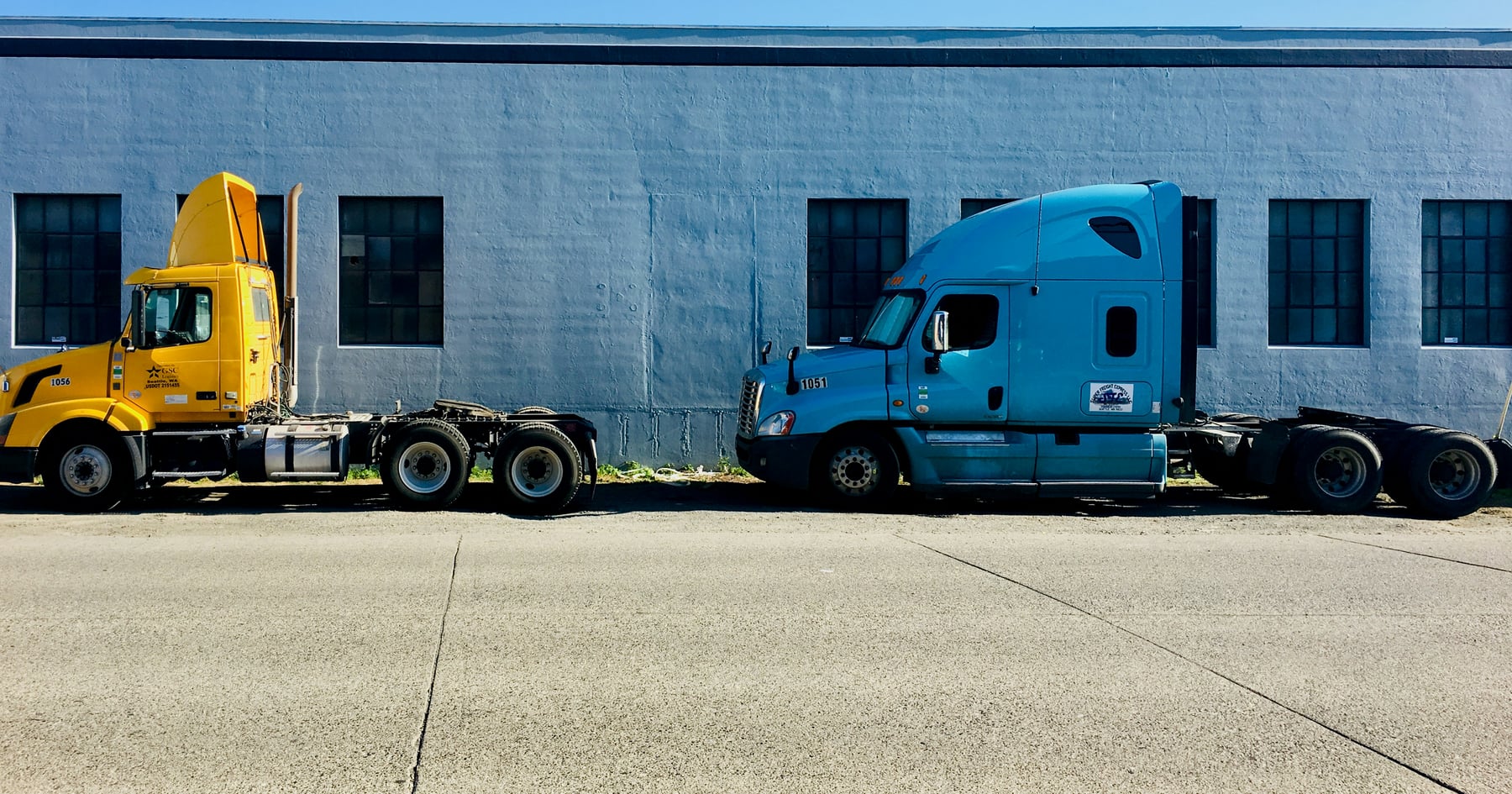
Truck driver fatigue is one of the leading causes of serious commercial vehicle crashes in the United States — and one of the most consistently underreported. A driver who has been behind the wheel of an 80,000-pound tractor-trailer too long is as dangerous as a legally intoxicated driver. Research shows that 18 hours of wakefulness produces the same reaction-time impairment as a blood alcohol level of 0.08 percent — the legal limit for intoxication.
Fort Worth sits at the intersection of some of the most heavily traveled freight corridors in Texas. I-35W carries enormous commercial traffic south through the urban core. US-287 connects Fort Worth to Amarillo through open country that lends itself to fatigued driving. The Alliance Global Logistics Hub generates constant truck movements, many of them overnight. The risk of a fatigue crash is present every hour.
Federal hours-of-service regulations
The FMCSA has established hours-of-service (HOS) regulations that set firm limits on how long commercial drivers may operate before mandatory rest: property-carrying drivers may drive a maximum of 11 hours after 10 consecutive hours off duty; drivers may not drive beyond the 14th consecutive hour after coming on duty; drivers who have driven 8 cumulative hours without a 30-minute break must stop; and drivers may not drive after 60 on-duty hours in 7 days or 70 hours in 8 days. These limits exist because fatigue degrades judgment, slows reaction time, and impairs the ability to control an 80,000-pound vehicle.
Right after a Fort Worth fatigue-related truck crash, do this
Fatigue evidence disappears faster than almost any other type in a truck crash case. Get emergency medical care — call 911 and accept on-scene treatment. Ensure an official crash report is filed. Document the crash scene — photograph vehicle positions, road conditions, any skid marks or their absence (the absence of braking marks can indicate the driver failed to react at all). Gather witness information, especially anyone who observed the truck drifting lanes or traveling erratically before the crash. Call a truck accident lawyer before talking to the trucking company’s insurer — ELD data that establishes HOS violations can be overwritten within days without a preservation demand.
Injured by a fatigued truck driver in Fort Worth? Call Patterson Law Group at 817-784-2000 for a free consultation. There is no fee unless we win.
Electronic logging devices — the most important evidence in a fatigue case
Since December 2017, the FMCSA has required most commercial drivers to use electronic logging devices (ELDs). In a fatigue-related crash case, ELD data is typically the most critical piece of evidence. It can show: whether the driver had exceeded on-duty hours before the crash; whether required rest breaks were actually taken; whether the driver exceeded the 11-hour or 14-hour limits in the days leading up to the crash; and whether a pattern of abbreviated rest periods had accumulated fatigue over multiple days. Without a preservation demand, ELD records can be overwritten within days of a crash — which is why calling a lawyer quickly is essential.
Fatigue causes beyond hours-of-service violations
Not every fatigue crash stems from a straightforward HOS violation. Undiagnosed or untreated sleep apnea — sleep apnea is disproportionately common among commercial drivers and produces severe fatigue regardless of logged rest time. Nighttime and early-morning driving — the body’s circadian rhythm produces its deepest fatigue between midnight and 6 a.m.; trucks running overnight out of the Alliance area or heading south on I-35W during these windows face sharply elevated fatigue risk. Carrier and dispatcher pressure — trucking companies sometimes apply direct pressure to push drivers to skip breaks or deliver faster than HOS rules allow; when a carrier’s culture or scheduling practices contributed to a fatigued driver being on the road, the company shares liability. Long, monotonous routes — US-287 running northwest toward Amarillo offers little variation to engage a fatigued driver.
Who is liable in a Fort Worth fatigue truck accident?
The truck driver — for operating beyond legal hours, for failing to self-report known fatigue, or for driving while knowingly impaired. The trucking company — for scheduling that cannot be met without HOS violations, for failing to monitor logs or dispatch records for warning signs, for ignoring prior violation history, or for pressuring drivers to push through fatigue. The carrier’s safety management — for systematic failures in monitoring, enforcement, or driver qualification practices.
How we prove fatigue in a Fort Worth truck accident case
Building a fatigue case requires more than pointing to the crash itself. At Patterson Law Group, we investigate by: sending immediate preservation demands for ELD data, paper logs, dispatch records, and qualification files; reviewing the driver’s full qualification file including HOS violation history and medical examination records; securing dispatch records and communications for evidence of scheduling pressure to skip breaks; analyzing the driver’s route history in the days before the crash to identify patterns consistent with chronic accumulated fatigue; and working with sleep medicine and fatigue specialists who can testify about how the driver’s documented rest and duty patterns affected their ability to drive safely.
Patterson Law Group is based in Fort Worth. We try cases in Tarrant County courts regularly and know how local judges and juries evaluate evidence of carrier negligence in fatigue cases.
Frequently asked questions
How can I tell if fatigue was a factor if the driver claims they were fine? Self-reporting is the least reliable evidence in a fatigue case. Fatigued people consistently underestimate their own impairment. The evidence that matters is objective: ELD data, the driver’s medical history, dispatch records, and the physical characteristics of the crash — particularly the absence of pre-impact braking, lane drift patterns, and road geometry that rules out other causes.
What if the driver’s logs show they were within legal hours? Legal compliance with HOS rules does not establish that the driver was not fatigued. Drivers can be dangerously impaired within their permitted hours if they have untreated sleep apnea, were driving during the circadian low point from midnight to 6 a.m., or had accumulated sleep deprivation over several days on a high-demand route like US-287 to Amarillo. We look at the full picture.
Can the trucking company be held liable if the driver was technically within their hours? Yes. If the company’s dispatch practices, delivery scheduling, or failure to address a known sleep disorder contributed to driver fatigue, the company can be held liable even without a specific HOS violation.
Talk to a Fort Worth truck accident lawyer today
If you suspect a fatigued driver caused your crash on I-35W, US-287, near Alliance, or anywhere else in Tarrant County, the evidence needed to prove it will not wait. Call Patterson Law Group at 817-784-2000 or contact us online. Free consultation. No fee unless we win.
For more information, visit our main Fort Worth Truck Accident Lawyer page.