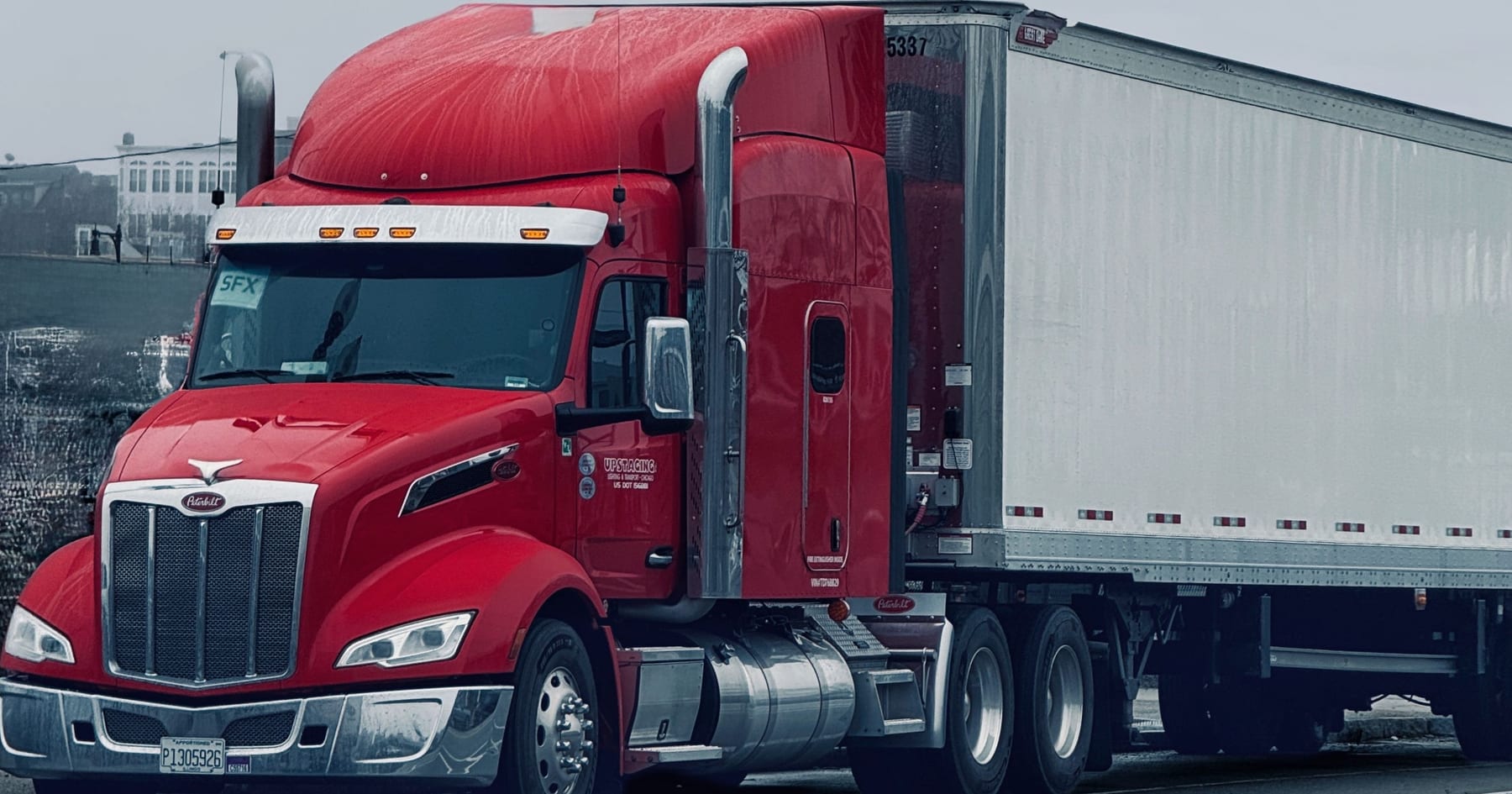
After a crash with an 18-wheeler, one of the first questions people ask is whether the truck driver was impaired. Many assume every truck driver is tested after every wreck. That is not how the rule works. Federal law requires testing only in certain crashes, and it sets short deadlines. Whether the company tested, when it tested, and what it did with the results can all become important evidence in an injury claim.
The short answer
Sometimes. Federal Motor Carrier Safety Administration (FMCSA) rules require a trucking company to test a commercial driver for alcohol and drugs after some crashes, not all of them. The rule covers drivers who need a commercial driver’s license to operate the truck.
When post-crash testing is required
Under the federal rule, the company must test the driver as soon as practicable when:
- Someone died in the crash. Testing is required whether or not the truck driver got a ticket.
- The truck driver was cited for a moving violation arising from the crash, and anyone involved was hurt badly enough to need immediate medical treatment away from the scene.
- The truck driver was cited for a moving violation arising from the crash, and any vehicle had disabling damage and had to be towed.
Timing of the ticket matters too. In a crash where no one died, the alcohol test is required only if the citation is issued within eight hours, and the drug test only if it is issued within 32 hours.
If no one died and the truck driver was not cited, this federal rule generally does not require a post-crash test, even in a serious crash. Other testing can still happen. A company must test a driver when a trained supervisor has reasonable suspicion of impairment, a company can test under its own policy, and police can investigate a driver they suspect is impaired. A test done by law enforcement can also satisfy the federal rule if the company obtains the results.
The deadlines are short
The rule sets two clocks:
- Alcohol: the test should be done within two hours of the crash. If it is not, the company must write down why. After eight hours, the company must stop trying and keep a record of the reason no test was done.
- Drugs: the test must be done within 32 hours. After that, the company must stop trying and document why.
The driver has to stay available for testing, though a driver may leave the scene to get help or emergency medical care. A driver who refuses a required test cannot drive a commercial truck again until completing the federal return-to-duty process, and a company may treat a driver who does not stay available as having refused.
Does this apply to trucks that never leave Texas?
Generally, yes. Texas has adopted the federal drug and alcohol testing rules for drivers who need a commercial driver’s license, with a few narrow exceptions for certain specialized vehicles. So a commercial driver on a Texas-only route is usually covered by the same post-crash testing requirements.
Why this matters for your injury claim
A positive test can be powerful evidence. So can the absence of a test.
- A missing test raises questions. If the crash met the federal trigger and the company never tested, or tested late, a lawyer will want to know why and will ask for the written explanation the rule requires.
- Records have to be kept. Trucking companies must keep drug and alcohol testing records for set periods. Positive drug results, alcohol results of 0.02 or higher, and refusals must be kept for at least five years.
- Testing history matters. A driver’s earlier violations, and whether the company checked them before hiring, can support a claim that the company should not have put that driver on the road.
- Evidence can disappear. Test paperwork, dispatch records and electronic data are in the company’s hands. A lawyer can send a letter demanding that the company preserve them.
A clean test does not end the case, either. Fatigue, distraction, speeding and poor maintenance cause many truck crashes with a sober driver at the wheel.
What you can do after a truck crash
- Get medical care first.
- Tell the investigating officer if you saw anything that suggested the driver was impaired: slurred speech, the smell of alcohol, pills or containers in the cab.
- Get the crash report number. The report shows whether the truck driver was cited, which is what triggers testing in a non-fatal crash.
- Write down the trucking company’s name and the USDOT number on the truck door.
- Talk with a lawyer quickly. The testing windows close within hours, and the request to preserve records should go out early.
How Patterson Law Group can help
Trucking companies and their insurers start building their side of the case right away. Our Fort Worth truck accident lawyers can demand the testing records, find out whether the company followed the federal rules, and deal with the insurance company for you.
Patterson Law Group is a family-owned firm with a five-star rating on Google from more than 500 client reviews, and there is never a fee unless we win. If you were hurt in a crash with a commercial truck, call us for a free consultation.