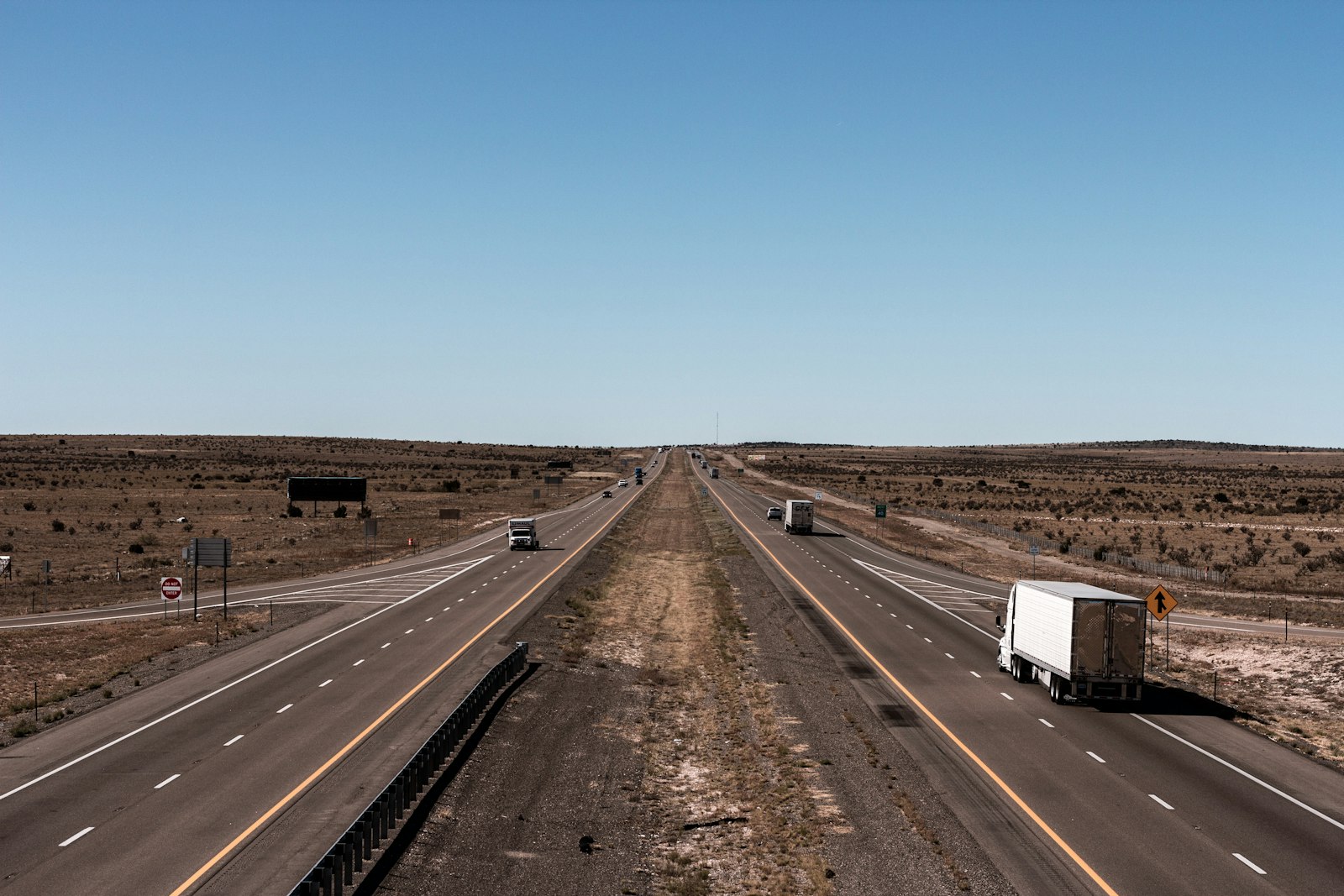
A Dallas County jury just did something that, until this spring, most courts said the law didn’t allow: it held a freight broker financially responsible for a deadly truck crash.
On July 23, 2026, the jury returned a $604,025,000 verdict in Lipe v. Lupus Superior against three defendants: the truck driver, the motor carrier, and C.H. Robinson, one of the largest freight brokers in the country. If you’ve been hurt in an 18-wheeler wreck in Texas, this case matters to you. Here’s why.
What happened
On March 25, 2021, a tractor-trailer operated by carrier Lupus Superior slammed into stopped traffic on Interstate 20 near Jackson, Mississippi. The chain-reaction pileup involved two tractor-trailers and four passenger vehicles. Three people were trapped in their vehicles and died in the fire that followed. Two others survived with serious injuries.
The families didn’t just sue the driver and the trucking company. They sued the broker, the middleman that selected Lupus Superior to haul the load in the first place.
What the jury decided
The jury apportioned fault three ways: 45% to the driver, 32% to Lupus Superior, and 23% to C.H. Robinson. The jury also found the driver was working for C.H. Robinson’s benefit and subject to its control. That “borrowed employee” finding could make the broker answer for the driver’s share on top of its own.
Two honest caveats, because we don’t oversell news to injured people. First, the $604 million figure was the jury’s verdict, not yet a final judgment. Second, C.H. Robinson has said it will appeal. This case is not over. But the core question was whether a broker can be blamed for putting an unsafe carrier on the road, and the jury’s answer is the loudest one any jury has given yet.
Why brokers can now be sued at all
For years, brokers escaped these cases before trial. They argued that a federal statute, the FAAAA, preempted state negligence claims against them, and many courts agreed.
That door opened on May 14, 2026, when the U.S. Supreme Court unanimously decided Montgomery v. Caribe Transport II, LLC. The Court held that a claim that a broker negligently selected an unsafe motor carrier falls within the FAAAA’s safety exception and is not preempted. We covered that decision when it came down: our breakdown of the Supreme Court’s broker-liability ruling is here. The Lipe verdict is the first major trial result to follow it, and it landed in a Texas courtroom.
Negligent selection still has to be proven the old-fashioned way: duty, breach, causation, damages. Which brings us to the evidence.
What the plaintiffs said the broker knew
According to the plaintiffs’ trial account, federal safety data had flagged Lupus Superior for unsafe driving for more than a year before the crash, and the driver told both the carrier and C.H. Robinson that he was too sick to keep driving. The load went forward anyway. C.H. Robinson disputes those allegations, and the appeal will test them. But the jury heard the evidence and assigned the broker nearly a quarter of the fault.
That is the anatomy of a negligent-selection case: what the broker knew, when it knew it, and what it did anyway.
What this means if you’re hurt in a Texas truck wreck
Most people injured by an 18-wheeler never think about the broker. The broker’s name isn’t on the truck. It isn’t on the police report. It’s buried in load confirmations, rate sheets, and dispatch records, documents that only come out when a lawyer goes looking.
After Montgomery and Lipe, three things should happen in every serious Texas truck case:
Identify every company in the chain. Driver, carrier, broker, shipper. Under Texas’s proportionate responsibility rules, fault gets divided among everyone who contributed, and a defendant who vetted nothing shouldn’t be left off the verdict form.
Preserve the selection records early. A carrier’s federal safety history is a public record with a timestamp. What the broker saw before tendering the load is discoverable, but only if someone demands it before it goes stale. This is the same evidence story we told about FMCSA’s 2026 rule changes: carrier safety data is more centralized and durable than it’s ever been.
Move before the defense does. Broker defendants bring national law firms and they bring them fast. The families in Lipe won because the paper trail was preserved and presented.
Talk to us
Patterson Law Group has handled Texas 18-wheeler cases for decades, and we build them the way Lipe was built: every company in the chain, every record they’d rather not produce. If a commercial truck hurt you or took someone from you, talk to a Fort Worth truck accident lawyer at our firm today. The consultation is free, and you pay nothing unless we win.