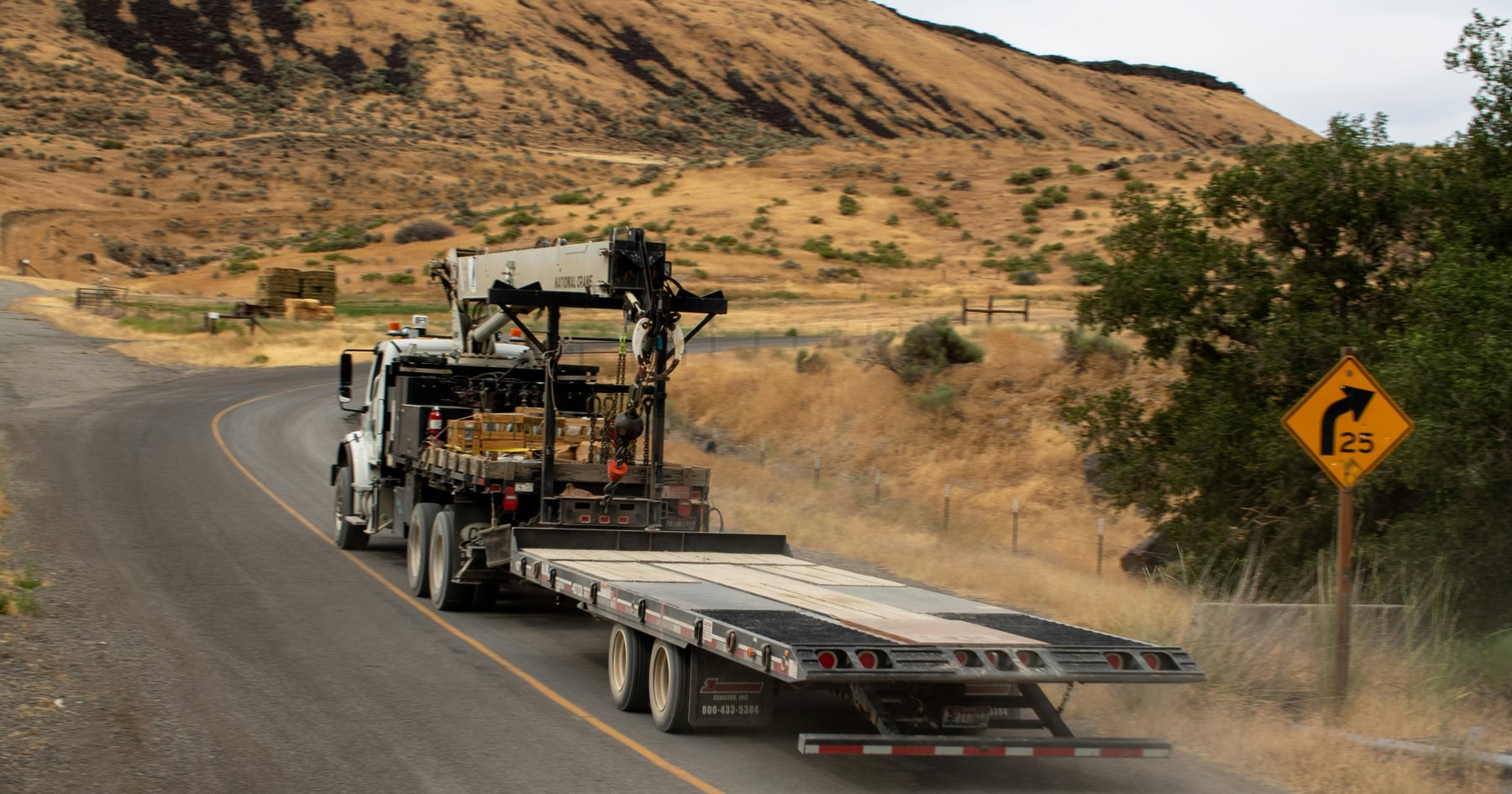
Fort Worth is one of the most active commercial trucking markets in Texas. The city sits at the convergence of I-35W, I-30, and I-20 — three major national freight corridors — and serves as a critical distribution and logistics hub for goods moving across the central United States. The Alliance Texas development north of the city is one of the largest inland ports in the country, generating sustained heavy truck traffic across Tarrant County’s highway network. With that volume of commercial traffic comes a significant and well-documented risk of serious truck accidents.
Understanding the scale of the problem — and what the data tells us about where and why these crashes happen — can help injured victims recognize that what happened to them is not an isolated incident, but part of a pattern that demands accountability.
Right after a Fort Worth truck crash, do this
If you are involved in a commercial truck crash anywhere in the Fort Worth metro, the steps you take immediately afterward matter for both your health and your legal claim: Get emergency medical care and follow all doctor instructions. Call 911 so there is an official crash report on record. If it is safe, photograph vehicle positions, skid marks, debris, and visible damage. Get names and contact information for witnesses and responding officers. Note any company name, DOT number, or license plate on the truck. Call a truck accident lawyer before speaking with the trucking company’s insurer.
Truck accidents in Texas: the statewide picture
Texas consistently ranks among the states with the highest number of fatal truck accidents in the country — a reflection of the state’s size, its central role in national freight movement, and the sheer volume of commercial vehicle activity on its highways. Texas sees thousands of commercial vehicle crashes each year resulting in serious injuries and fatalities. Large truck crashes account for a disproportionate share of traffic fatalities relative to the number of trucks on the road. The vast majority of people killed in large truck crashes are occupants of the other vehicle, not the truck driver. The Dallas-Fort Worth metro, as the most populous region in Texas, accounts for a significant share of statewide commercial vehicle crashes.
Why Fort Worth has elevated truck accident risk
Interstate convergence and freight volume. I-35W, I-30, and I-20 all run through or near Fort Worth, creating a highway network that routes enormous freight volumes through both urban and suburban environments. The interaction between high-speed commercial truck traffic and passenger vehicles — especially along the North Tarrant Express TEXpress lanes and Loop 820 — is a consistent source of serious crashes.
Alliance Texas and logistics operations. The Alliance Texas development generates sustained heavy truck traffic on I-35W north of Fort Worth and on connecting routes throughout Tarrant County. This concentrated freight activity creates specific high-risk zones on the corridors approaching and departing the complex.
24-hour freight operations. Fort Worth’s logistics infrastructure operates around the clock. Nighttime truck traffic — when driver fatigue risk is highest — is particularly heavy on I-35W and I-30.
Injured in a Fort Worth truck crash? Call Patterson Law Group at 817-784-2000 for a free consultation. There is no fee unless we win.
Most dangerous times and locations for Fort Worth truck accidents
Time of day. Peak traffic hours — 6 to 9 a.m. and 3 to 6 p.m. — see elevated truck accident risk from congestion-related braking and merging. The overnight hours between midnight and 6 a.m. carry the highest fatigue risk.
High-risk corridors: I-35W through Fort Worth (heavy sustained freight volume, frequent construction zones); I-30 east and west (high traffic volumes and significant truck presence); the I-30/I-20 Mixmaster interchange (complex lane configurations and high volumes); US-287 north and south (major freight route serving the Alliance corridor); Loop 820 and the NTE TEXpress lanes (managed lanes with heavy freight use and complex weave sections).
Common causes of Fort Worth truck accidents
Driver fatigue — HOS violations and extended driving without adequate rest remain among the leading causes of fatal truck crashes. Distracted driving — Cell phone use and other inattention are documented in a significant percentage of commercial vehicle crashes. Speeding and schedule pressure — Financial incentives to deliver faster create speeding that shows up consistently in crash investigations. Improper lane changes — Failure to check blind spots before changing lanes is a recurring cause of multi-vehicle crashes on Fort Worth interstates. Equipment failure — Brake failures, tire blowouts, and steering defects play a role in a substantial percentage of serious truck crashes. Improper cargo loading — Overloaded or improperly secured freight is a contributing factor in rollover and jackknife accidents throughout Tarrant County.
What the statistics mean for your case
The data on truck accidents in Fort Worth is not just background context — it is relevant to how your case is evaluated and litigated. Patterns of crashes on specific corridors, the documented history of FMCSA safety violations by specific carriers, and industry-wide data on fatigue and distraction are all tools that experienced truck accident attorneys use to contextualize individual crashes within the broader failure of commercial trucking safety standards.
Patterson Law Group is based in Fort Worth and tries cases in Tarrant County courts regularly. We know how to translate crash data into evidence that resonates with Tarrant County judges and juries. We handle truck accident cases on a contingency fee basis — you pay no attorney’s fees unless we recover money for you.
Frequently asked questions
Are truck accident cases more valuable because trucking companies carry more insurance? Generally, yes. Federal regulations require commercial carriers to maintain significantly higher liability insurance limits than personal auto policies — a minimum of $750,000 for most general freight carriers and up to $5 million for those transporting hazardous materials.
Does the location of the accident on a high-risk corridor affect my case? It can. Evidence that a crash occurred on a corridor with a documented history of similar accidents — and that the carrier operated regularly on that corridor — can support an argument that the company should have taken additional precautions.
Talk to a Fort Worth truck accident lawyer today
Truck accidents on Fort Worth’s highways are not random — they reflect systemic failures in how the industry manages driver safety, vehicle maintenance, and delivery pressure. Patterson Law Group holds those responsible accountable. Call us at 817-784-2000 or contact us online. Free consultation. No fee unless we win.
For more information, visit our main Fort Worth Truck Accident Lawyer page.