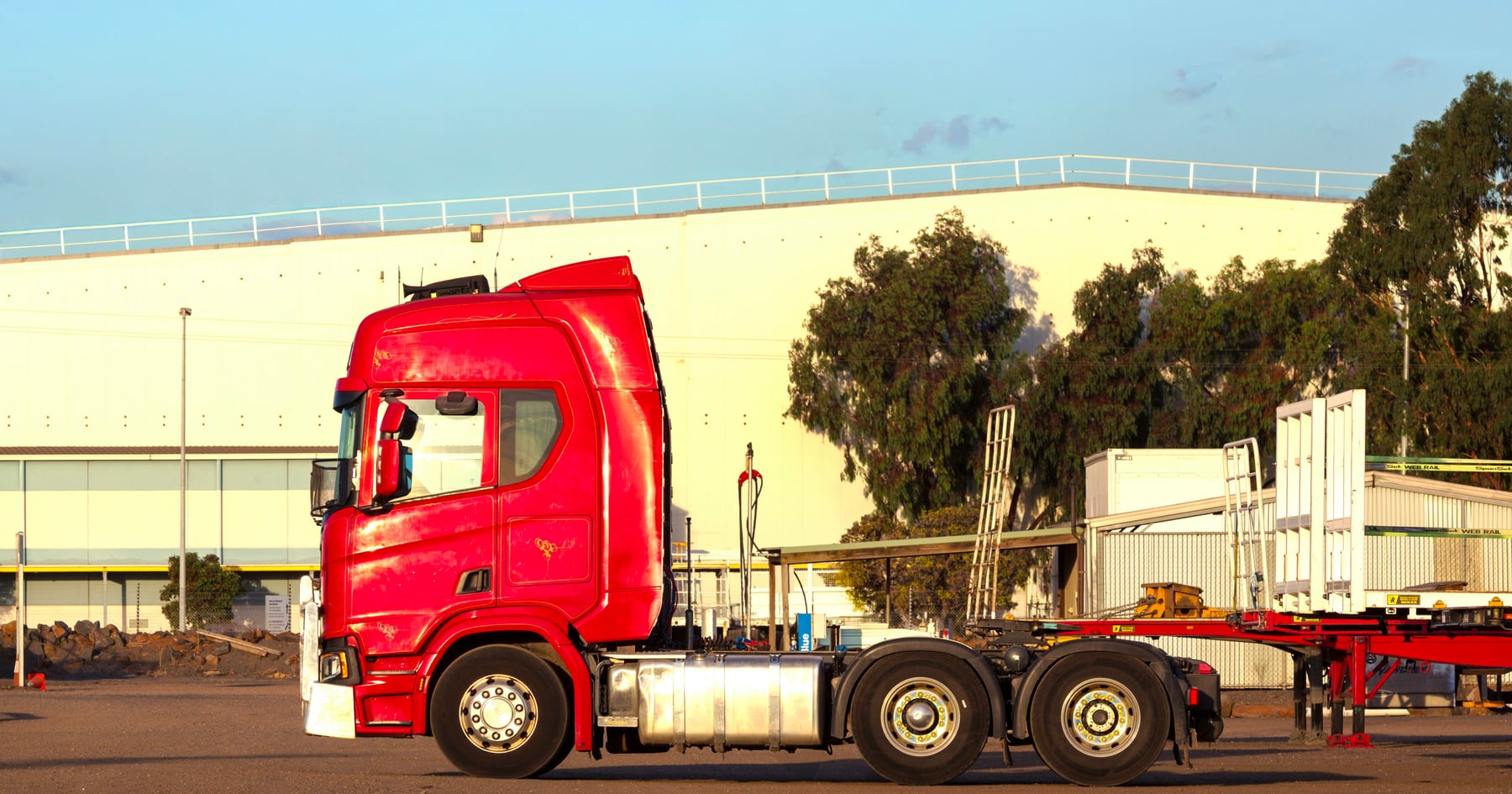
Every commercial truck carries large blind zones — areas surrounding the vehicle where the driver cannot see other traffic, even with mirrors properly set. In Fort Worth, these hazards are especially acute along corridors like the I-820 Loop, the North Tarrant Express (TEXpress) lanes, the Alliance freight corridor in far north Tarrant County, and the Chisholm Trail Parkway. When a truck driver changes lanes, merges, or makes a wide turn without fully clearing those blind zones, other motorists pay the price.
If you were injured in a blind spot truck accident in Fort Worth or anywhere in Tarrant County, you may have a strong legal claim — even if the driver says they never saw you coming. The law does not accept “I didn’t see them” as a defense when the driver had a professional obligation to look.
Where are the blind spots on an 18-wheeler?
Directly behind the trailer — A zone stretching roughly 30 feet behind the rear bumper where vehicles are entirely invisible to the driver in the mirrors.
Directly in front of the cab — Approximately 20 feet ahead of the hood where the elevated cab blocks the driver’s sightline to low-profile vehicles.
The right side — By far the largest and most dangerous blind zone, fanning out diagonally from the cab across two full lanes on the passenger side. Any vehicle near the trailer’s midsection on the right is completely hidden — this is where most blind spot collisions happen.
The left side — A narrower but real blind zone running roughly one lane to the left of the cab, near the driver’s door.
Right after a Fort Worth truck crash, do this
Get emergency medical care immediately — call 911, accept on-scene treatment, and follow all medical instructions. Ensure an official crash report is filed. Photograph everything you safely can — the positions of both vehicles in their lanes, the point of impact, any mirror configuration visible on the truck, skid marks, and debris. Gather witness names and contact information. Call a truck accident lawyer before talking to the trucking company’s insurer.
Injured in a Fort Worth truck crash? Call Patterson Law Group at 817-784-2000 for a free consultation. There is no fee unless we win.
How blind spot truck accidents happen on Fort Worth roads
Lane changes on the I-820 Loop — The 820’s multi-lane design and heavy freight volume mean trucks are constantly shifting lanes. A hasty mirror check can miss a car already positioned in the right blind zone alongside the trailer.
Merging on the North Tarrant Express / TEXpress lanes — The NTE’s managed-lane entries and exits force rapid merging decisions. Trucks entering or exiting TEXpress lanes at speed have limited time to check blind zones.
Alliance freight corridor — The dense truck traffic serving the Alliance Global Logistics Hub and the industrial parks along US-287 produces constant lane-change situations in areas with lower passenger-car traffic.
Chisholm Trail Parkway on-ramps — The Chisholm Trail’s merging geometry can place passenger cars in the path of trucks that fail to yield or check before completing a merge.
Wide right turns in industrial areas near Loop 820 — Trucks swinging wide to complete right turns in Fort Worth’s west-side industrial corridors regularly sweep through the curb lane without detecting vehicles already there.
What truck drivers are legally required to do
The Federal Motor Carrier Safety Administration requires commercial drivers to use mirrors properly, signal before lane changes, and actively clear blind zones before maneuvering. A driver who changes lanes without checking mirrors, turns without scanning adjacent lanes, or backs without a spotter may be violating federal safety regulations and basic negligence standards. Those violations are powerful evidence that the driver fell below the professional standard of care.
Who is liable in a Fort Worth blind spot truck accident?
The truck driver — for failing to check mirrors and blind zones, failing to signal, or rushing a maneuver without confirming the path was clear. The trucking company — for inadequate training, deferred maintenance on safety technology, or delivery-schedule pressure that encourages haste over care. The truck or equipment manufacturer — if a mirror system, camera, or proximity sensor was defective or malfunctioned at the critical moment.
Patterson Law Group is based in Fort Worth and tries cases in Tarrant County courts regularly — we know how local judges and juries evaluate trucking negligence claims.
Comparative fault in Fort Worth blind spot cases
Trucking company insurers commonly argue that a motorist in a truck’s blind zone bears some fault. Under Texas’s modified comparative fault system, any percentage of fault assigned to you reduces your damages by that amount. If your share exceeds 50 percent, you cannot recover at all. But a driver traveling lawfully in a lane on the I-820 Loop or the NTE has every legal right to be there. The burden of checking the blind zone before moving rests with the truck driver.
How we investigate blind spot truck accident cases
At Patterson Law Group, we build that case by sending immediate preservation demands for ELD and black box data, requesting all onboard camera footage and blind spot monitoring logs, inspecting the truck’s mirrors and installed safety systems, interviewing witnesses, and engaging accident reconstruction experts to establish precisely where each vehicle was at the moment of the collision.
Frequently asked questions
Does being in the truck’s blind spot mean I’m automatically at fault? No. Texas’s modified comparative fault rule allows you to recover as long as your share of responsibility does not exceed 50 percent. Driving legally in your lane is not negligence — it is your right.
What if there are no witnesses? The physical evidence usually resolves the dispute more reliably than either party’s account. Impact points, the direction of crash forces, skid marks, and ELD data can all reconstruct the sequence of events.
How fast does evidence disappear? ELD and black box data can be overwritten within days absent a preservation demand. Surveillance footage from nearby businesses is typically purged within 30 to 60 days. The sooner you contact an attorney, the better the chance of securing what matters.
Talk to a Fort Worth truck accident lawyer today
If a truck clipped you while changing lanes on I-820, the NTE, or anywhere else in Tarrant County, you have rights — and the evidence to support them has a limited window. Call Patterson Law Group at 817-784-2000 or contact us online. Free consultation. No fee unless we win.
For more information, visit our main Fort Worth Truck Accident Lawyer page.